
Blueastro/Getty Images



More Medicare questions? Here’s what federal retirees need to know
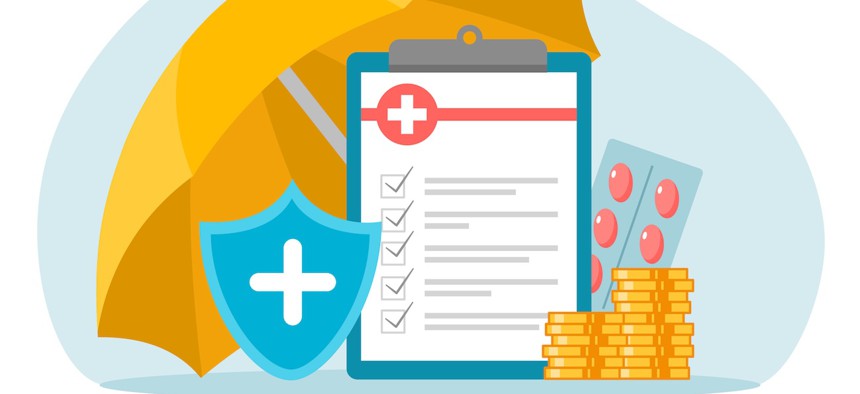
Got questions about HSA contributions, TRICARE For Life or keeping FEHB or PSHB when you enroll in Medicare? Here are answers to help you navigate the details of your federal health benefits.

As mentioned in this column last week, the most common (and confusing) question about Medicare is whether federal retirees need to enroll in Medicare at age 65. The Postal Service Health Benefits (PSHB) Program, which was implemented in 2025, made the decision easier, although less flexible, for Postal Service annuitants by making Medicare Parts A and B a requirement for most annuitants to continue their coverage under PSHB.
Some Postal Service annuitants and family members are not required to enroll in Medicare Part B to be covered by a PSHB plan:
-
Postal Service annuitants who retired on or before Jan. 1, 2025, and are not already enrolled in Medicare Part B.
Family members of these Postal Service annuitants are also not required to enroll in Medicare Part B to be covered by a PSHB plan.
-
Postal Service employees who are age 64 or older on Jan. 1, 2025.
These employees are not required to enroll in Medicare Part B after they retire to enroll in PSHB as an annuitant. Family members of these employees also are not required to enroll in Medicare Part B after the employee retires to be covered by a PSHB plan.
There are many other questions that retirees ask about Medicare. Here are some of the most common.
Is it better to enroll in Medicare Part A while you are still working, or not?
The decision is yours, but in most cases, it makes sense to enroll in Part A during your initial enrollment period, a seven-month period that begins three months before your 65th birthday month. Having coverage under Medicare Part A can reduce your out-of-pocket expenses as well as costs to FEHB, which can help keep FEHB premiums down.
Medicare Part A covers specific types of institutional and end-of-life care, most notably hospice care and up to 100 days in a skilled nursing facility (SNF) under strict conditions that FEHB and PSHB insurance policies often restrict, limit or exclude. Part A also covers a range of health care services that you can get in your home for an illness or injury to help you get better, maintain your current condition or level of function, or slow your rate of decline. Home health care is usually less expensive and more convenient than care you get in a hospital or skilled nursing facility.
One downside to enrolling in Medicare Part A is that you will no longer be eligible to contribute to a Health Savings Account (HSA). According to the IRS, to be eligible to contribute to an HSA, you must meet the following requirements:
-
You are covered under a high-deductible health plan (HDHP) on the first day of the month.
-
You have no other health coverage except what is permitted under IRS rules.
-
You aren’t enrolled in Medicare.
-
You can’t be claimed as a dependent on someone else’s tax return.
There’s an additional timing issue to consider. If you enroll in Medicare after age 65, premium-free Part A coverage can be retroactive for up to six months, but not before the month you turned 65. To avoid potential tax penalties, stop contributing to an HSA at least six months before enrolling in Medicare.
Does it ever make sense to enroll in Medicare Part B if I am still covered by my FEHB or PSHB plan and I am still working for the government?
At age 65, most people in the United States should enroll in Original Medicare (Parts A and B). However, since Part B has a monthly premium that must be paid, some people sign up for Part A only. They don’t enroll in Part B at age 65 because they:
-
Are still working and are covered by an employer’s group health plan.
-
Have a spouse who’s working and has medical coverage under their spouse’s employer-sponsored group health plan.
If you are covered by health insurance based on your or your spouse’s current employment, you may delay Medicare Part B without incurring a late enrollment penalty. You can sign up during the Special Enrollment Period, which generally lasts eight months after your employment ends or your group health coverage based on current employment ends, whichever happens first. Because the clock may start before you officially retire, it’s important to understand when your coverage ends and enroll on time.
[How to Apply for Medicare Part B (Medical Insurance) During Your Special Enrollment Period]
Exception for TRICARE: TRICARE For Life (TFL) is available to eligible beneficiaries who have Medicare Parts A and B. Enrollment in TFL is automatic once you meet the eligibility requirements and have both parts of Medicare.
“TRICARE For Life is Medicare-wraparound coverage. This means Medicare and TRICARE work together to coordinate your benefits and reduce your out-of-pocket medical costs,” said Anne E. Breslin, TRICARE For Life program manager. “You’ll pay nothing out of pocket when the services you receive are a benefit of both Medicare and TRICARE.”
If you are eligible for TFL, you generally must have both Medicare Parts A and B to maintain that coverage. Although federal employees may have options for delaying Part B while covered by an employer’s group health plan, they should not assume they can delay Part B and retain TFL benefits in the meantime. Check with TRICARE before making an enrollment decision.
It’s also essential to keep your information in the Defense Enrollment Eligibility Reporting System (DEERS) current for you and your family. DEERS is a database of uniformed service members, their family members and others who are eligible for military benefits, including TRICARE. Maintaining current DEERS information is your responsibility and helps ensure timely access to benefits. Verify your information whenever you have a life-changing event. For more information, see the TFL handbook.
I’m a TFL beneficiary and a retired federal employee. Can I suspend my Federal Employees Health Benefits Program coverage to use TFL?
Yes. You may suspend your FEHB coverage and premium payments at any time if you are retired. Visit opm.gov/forms to get a Health Benefits Cancellation/Suspension Confirmation form (RI 79-9). Be sure to complete the “Suspension” section of the form.
If you suspend FEHB and later decide you want it again, you can re-enroll during FEHB Open Season. If you cancel FEHB, you can never get it back. Eligible former spouses who haven’t gotten remarried can get the form from the employing offices or retirement system maintaining their enrollments.
What is the difference between FEHB and Medicare Part C and FEHB with Medicare Parts A and B? You pay Part B premiums either way.
Medicare Part C is also called Medicare Advantage. It is an alternative to having Medicare Part A (inpatient coverage) and Medicare Part B (outpatient and doctor’s coverage) pay first, with your FEHB or PSHB plan paying as the secondary payer.
With Medicare Part C, you must be enrolled in Medicare Parts A and B to be eligible for Part C. You’ll continue to pay your Part B premium when you are enrolled in any Medicare Advantage plan.
Medicare Advantage plans provide coverage for Medicare-covered Part A and Part B services, along with additional benefits that vary by plan. Some plans offer benefits such as a $0 deductible. When enrolled through your FEHB or PSHB carrier, your Medicare Part B premium may be reduced by a dollar amount each month that can be as much as $75 to $125 or more in a few plans.
You’ll also get access to programs that may help you reach your health potential, such as gym membership, an over-the-counter allowance for medical products, dental and/or vision coverage, and more. These benefits vary by plan.
With many FEHB or PSHB plans offering a Medicare Advantage option, you can continue to use your doctors or any provider if they are:
-
Eligible to receive payment under Medicare.
-
Willing to bill and accept payment from the FEHB or PSHB plan.
These plans can be a less expensive option than Original Medicare because of reductions in Part B premiums, lower premiums and out-of-pocket costs for some FEHB or PSHB plans, and additional benefits. In addition, some plans offered through FEHB and PSHB carriers provide foreign travel benefits. Coverage varies by plan, so check the details before enrolling.
The possible downsides of this option include a greater need for referrals and prior approval for certain services and prescriptions. There is a possibility that your provider may not bill or accept payments under Medicare or your plan. This problem may be less likely when your Medicare Advantage coverage is through a group employer-sponsored plan such as FEHB or PSHB, as many of these plans offer nationwide coverage.
A group Advantage plan manages the benefits of Medicare Parts A and B for retired employees. Medicare pays a fixed amount every month to the insurance company, which must ensure that its Advantage plans follow Medicare’s rules.
Who needs to be notified if I am enrolled in Medicare Parts A and B and FEHB or PSHB?
Call the number on the back of your FEHB or PSHB card to notify the plan that you have enrolled in Medicare and are either still employed or retired.
Pharmacies: If you enroll in or switch to a new Medicare Part D prescription drug plan, notify your local pharmacy so it can update your insurance billing profile.
Providers: Tell your doctor and other health care providers about any changes in your insurance or coverage when you get care. It may also be necessary to remind providers if you did not enroll in Medicare and are age 65 or older, as they may assume that they should bill Medicare first.
If you have questions about who pays first or if your coverage changes, call the Medicare Benefits Coordination & Recovery Center at 1-855-798-2627 (TTY: 1-855-797-2627).
To enroll in Medicare Part A and/or Part B, sign up through Social Security.
To enroll in a Medicare Advantage option through your FEHB or PSHB carrier, call your plan’s dedicated Medicare Advantage line. You should be notified when you change plans, or you can check the plan’s Medicare Advantage webpage on the FEHB or PSHB plan website.
After signing up for Medicare, what happens to my family members who are not eligible for Medicare? Can they be covered under my FEHB or PSHB insurance as their primary insurance?
Your spouse and eligible children (under age 26, or disabled children incapable of self-support) remain fully covered under your Self Plus One or Self and Family FEHB or PSHB enrollment.
If you are still an active employee and carry FEHB or PSHB coverage as an employee, your FEHB or PSHB plan remains the primary payer for you and your family members, even if you enroll in Medicare.
If you retire and carry FEHB or PSHB coverage through your CSRS or FERS annuity benefit, the rules differ depending on who is covered. For you and/or your spouse covered under your health plan, once you have enrolled in Medicare, Medicare becomes primary and the FEHB or PSHB plan becomes secondary. For your spouse or children who do not have Medicare, such as a younger spouse, your FEHB or PSHB plan remains their primary coverage.
I have been presenting several webinars on Medicare and FEHB. If you are interested in these sessions, they are recorded and archived, and the upcoming programs can be found at https://www.benefeds.gov/learn/info/webinars and https://www.narfe.org/education/narfe-webinars/.