

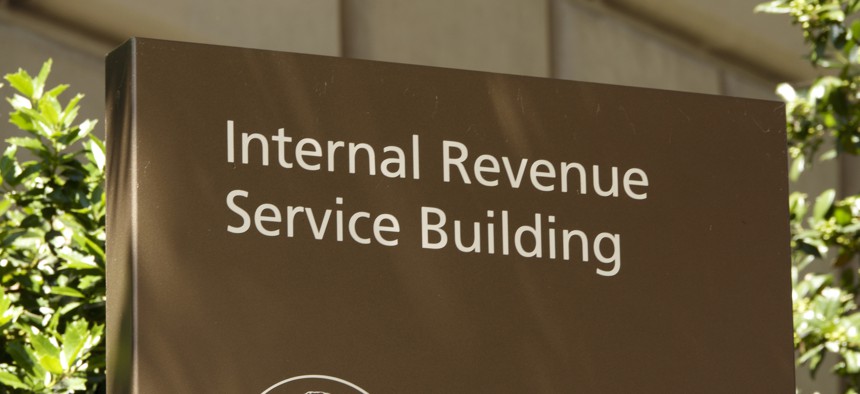
The inspector general found that the IRS lowered service performance standards due to staffing shortages during the 2026 filing season. Kevin Carter / Getty Images





IRS missed hiring goals for 2026 tax season, which watchdog says impacted service performance
The tax agency temporarily reassigned hundreds of employees to cover the gaps in staffing.

The IRS fell short of its hiring goals for certain positions ahead of the 2026 tax filing season, which a new inspector general report found caused the agency to scramble in order to fill shortfalls.
While officials were authorized to bring on 1,900 employees to process tax returns and fix related errors, the IRS was unable to fill 1,100, or about 58%, of those positions. Likewise, the division that answers taxpayer questions missed its hiring goal by 34%.
The Treasury Inspector General for Tax Administration noted that job posting announcements were held up by a new requirement for the IRS to receive approval from the Treasury Department before making certain hires. The watchdog also reported that offices were unable to onboard all of the employees they hired before the start of filing season.
Investigators found that, due to the staffing shortages, the taxpayer assistance division decreased its service performance expectation levels. They also reported that, in part because of the reduced workforce, backlogs in five of seven tax return processing programs increased.
In response to these issues, according to the report, the IRS relied on overtime and temporarily reassigned hundreds of employees. Government Executive previously reported that IRS directed many human resources and information technology employees to help with filing season workloads.
TIGTA’s interim report only looked at the 2026 filing season through Feb. 28. Tax season lasted from Jan. 26 through April 15.
The Taxpayer Advocate Service, another IRS watchdog, recently reported that the agency “performed better than expected” this tax season despite needing to implement changes to the tax code mandated by the 2025 One Big Beautiful Bill Act, employing about a quarter fewer employees due to the Trump administration’s civil service cuts and experiencing leadership turnover.
But the TAS also flagged that having fewer personnel made it harder for taxpayers to access assistance.
If you have a tip that can contribute to our reporting, Sean Michael Newhouse can be reached securely at seanthenewsboy.45 on Signal.
NEXT STORY: Despite taxing year, IRS watchdog reports mostly smooth filing season