
Benefits
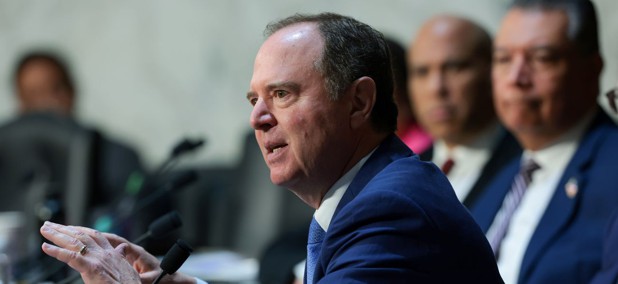
Lawmakers again raise alarm over OPM’s health records collection plan
The Office of Personnel Management’s plan to collect claims-level health information about federal workers and their family members and store it for 30 years could open feds up to a potential security breach, Senate Democrats said.


What 9/11 can teach federal families about benefits
The federal workers’ compensation program can provide critical support after a work-related injury, illness or death, but families need to know what to document and which benefits to claim.


GSA announces per diem increases for feds this fall
Beginning in October, the amount federal agencies reimburse employees for daily lodging associated with official travel will increase by at least $3.
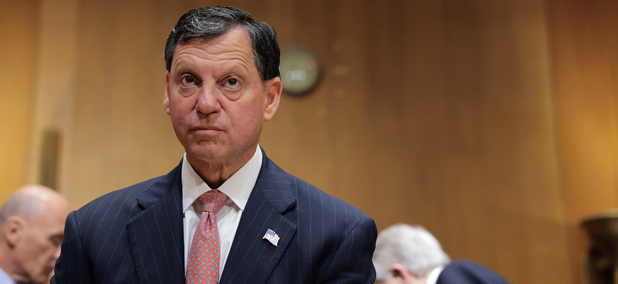
IRS CEO’s call to end advanced leave should be ‘null and void,’ NTEU says in lawsuit
The National Treasury Employees Union argues Frank Bisignano running the IRS without Senate confirmation violates the Constitution.


Bill expanding paid leave for feds is pared back in Senate
The upper chamber’s version of legislation extending 12 weeks of paid family leave each year to federal workers removes provisions allowing it to be used in connection with helping a family member who has been the victim of sexual assault, domestic violence or stalking.


LGBTQ+ feds sue to restore FEHB coverage of gender affirming care
A class action lawsuit challenging the Trump administration’s campaign to block gender affirming care coverage under federal agencies’ employer-sponsored health insurance program said the move is “akin to denying continuing insulin treatment for someone with diabetes.”


NARFE still has concerns with OPM’s plan to collect employee health care records
Last month, the Office of Personnel Management sought to assuage concerns about its request for claims-level data on federal workers’ health insurance usage. Employee groups say it’s still not enough.


The Medicare question federal retirees can’t ignore anymore
New projections for Medicare Part B costs are sharpening a familiar but increasingly expensive decision for federal retirees: whether Medicare enhances FEHB coverage enough to justify the added premium, or simply shifts where the costs show up.


Bill would limit federal relocations to states with abortion restrictions
Legislation introduced by Rep. James Walkinshaw, D-Va., would block the Trump administration from relocating agencies to states that have instituted or revived abortion bans since the fall of Roe v. Wade, and grants feds the right to refuse relocations to those jurisdictions.
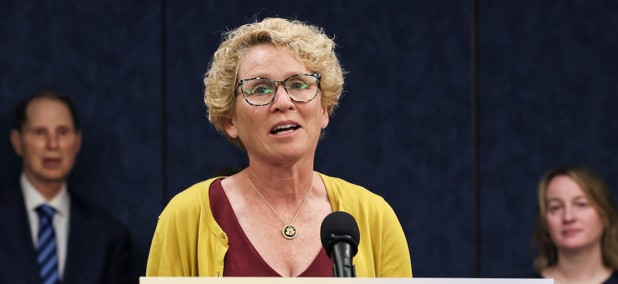

Expanding paid leave for federal workers is back on the table
Bipartisan legislation would grant civilian federal employees up to 12 weeks of paid family and medical leave per year.
OPM to set new requirements to ‘verify’ FEHBP enrollments
Newly published regulations would implement a 2025 law enacted in response to a GAO report that found the government could spend up to $1 billion annually on health benefits for people who are no longer eligible to receive them.


TSP funds kept climbing in May
Each of the portfolios in the federal government’s 401(k)-style retirement savings program gained value last month.
Featured eBooks




More GLP-1 options are coming for federal retirees, but they come with a catch
A new Medicare program launching July 1 broadens access to drugs like Zepbound and Foundayo, but federal annuitants need to know how the $50 copay will affect their catastrophic limits.


Dems introduce bill to protect feds’ credit scores during shutdowns
Sen. Mark Kelly, D-Ariz., said he was inspired to draft the legislation after hearing from TSA workers whose inability to pay their bills during the 78-day partial government shutdown hurt their credit scores even after they began receiving back pay.


Weighing the costs and trade-offs of suspending FEHB for Medicare Advantage
COMMENTARY | An analysis of two markets shows some commercial plans provide the lowest estimated yearly costs, but federal annuitants must consider the required trade-offs like prior authorization and provider access.
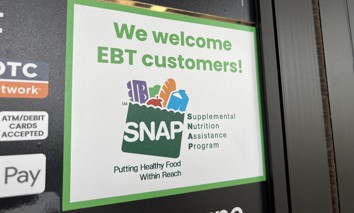
Workers predict significant disruptions to food assistance programs as USDA announces more relocations
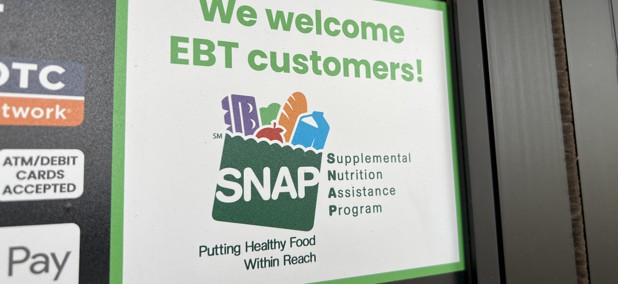
Programs like SNAP and WIC "simply will not function" if employees exit en masse after declining mandatory relocations across the country, union says.


Senators demand OPM withdraw plan to access feds’ medical records
More than a dozen Democratic lawmakers warned that a little-scrutinized proposal to collect claims-level data related to the Federal Employees Health Benefits and Postal Service Health Benefits programs could violate federal law and doctor-client confidentiality.


OPM to FEHB carriers: Cut costs, MAHA style
In the federal HR agency’s annual letter to insurers, officials called for the end to cash incentives for childhood vaccine adoption and urged insurers to require therapy before prescribing GLP-1 drugs to combat obesity.



OPM leans into 'well care' as it reshapes federal health plans for 2027
OPM’s annual guidance to federal health plans outlines a shift toward preventive, whole-person care in 2027, along with changes to coverage, obesity treatment and gender-affirming care.


Traveling soon? What federal health plans actually cover
Peak travel season is here, but most federal workers don't know what happens if they need care abroad. From upfront costs to medical evacuations, here is what your FEHB plan does and doesn't cover when you are out of the country.


The federal leave options employees can use when annual and sick time run out
From unpaid leave to parental and military leave, federal workers have multiple options for time off under specific circumstances.
