
Unions
Updated
Union and lawmakers criticize HUD’s handling of HQ move as questions go unanswered
Employees and Democratic senators claim HUD officials have not been forthcoming with operational or budget details related to the move to Virginia, which they argue could run afoul of federal law.
Arbitrator orders restoration of telework at Social Security
Though the Social Security Administration couched its mass cancellation of telework for employees as a temporary one based on “operational needs,” it has never provided a time frame or criteria for the workplace flexibility’s restoration.


Education Department staff cuts have hurt service rather than streamlined bureaucracy, say opponents on 1-year mark of RIFs
Lawmakers and education advocates at Wednesday’s press conference also emphasized that the department has hired back some employees, and Congress rejected many proposed funding reductions at Education.

Energy Dept., NASA take steps to oust their unions
The Energy Department on Tuesday issued notices purporting to terminate its collective bargaining agreements with two unions, while NASA in recent weeks has begun stripping employees of their eligibility to bargain.
Employee groups revive lawsuit to block Schedule F
A coalition of labor unions and other employee advocacy groups say President Trump’s plan to convert around 50,000 federal workers to at-will employees violates federal law, the Constitution and threatens to upend the merit-based civil service.
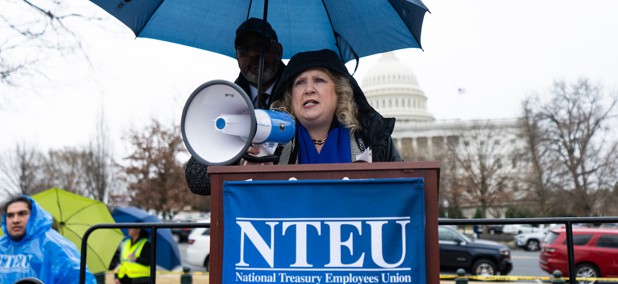
NTEU chief stands firm as agencies seek to terminate contracts
Doreen Greenwald said her union will continue to demand compliance with its collective bargaining agreements in face of a renewed push to excise labor groups from most federal agencies.
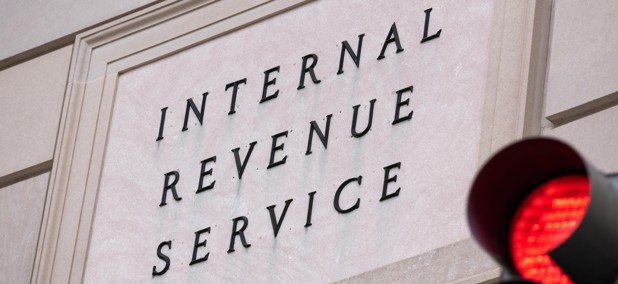
IRS, Fiscal Service defy judges, terminate union contracts
The move to ax collective bargaining agreements with the National Treasury Employees Union, until now protected by a federal court order, comes just two weeks after the Office of Personnel Management issued guidance seemingly encouraging agencies to ignore the courts.
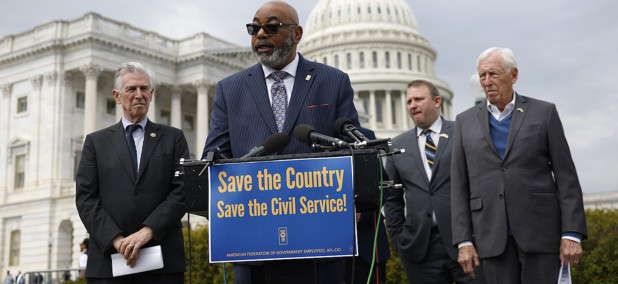
Appeals court declines to block Trump’s anti-union EOs
The lone Democratic appointee on a Ninth Circuit three-judge panel suggested that he and his colleagues may reach a different conclusion with the benefit of a “fully developed factual record.”
OPM clarifies that agencies should not violate court orders to terminate union contracts
A memo last week tasking agencies with pushing forward implementation of a pair of executive orders aimed at stripping two-thirds of the federal workforce of their collective bargaining rights briefly aroused fears that they would violate a series of court orders.
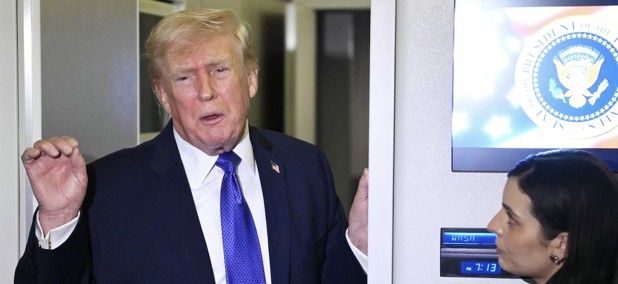
Unions oppose a Trump labor nominee over lack of experience, hostility toward bargaining
Conservative lawyer Charlton Allen has no prior experience in labor-management relations, but said he opposed collective bargaining rights for state workers in North Carolina as a political candidate in 2012.
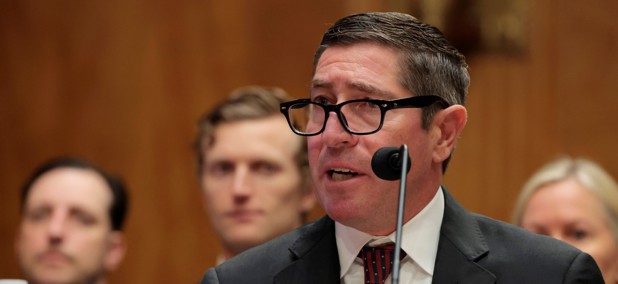
OPM instructs agencies to terminate union contracts potentially in violation of court orders
A smattering of agencies implicated in President Trump’s executive orders barring labor representation for two-thirds of the federal workforce had held off on formally terminating their collective bargaining agreements due to injunctions barring the edicts’ implementation.
Featured eBooks


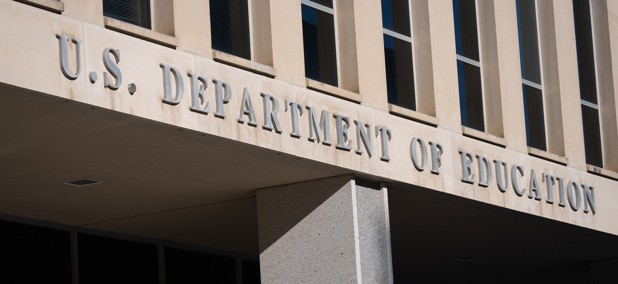
Education Department spent up to $38M paying employees not to work before reinstating them, watchdog reports
The Government Accountability Office also reported that the caseload for the department’s Office for Civil Rights increased by an average of 98 cases per week during part of the time that these staffers were on paid leave.
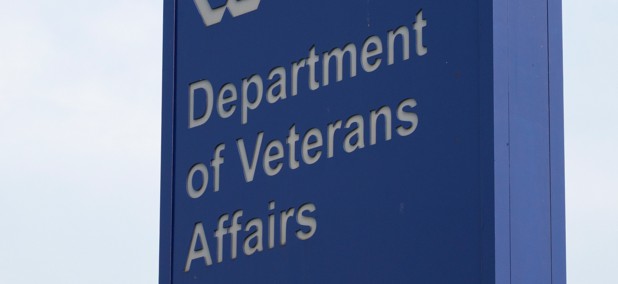
When trust breaks down at the VA, veterans pay the price
COMMENTARY | A VA employee writes about staffing cuts, labor changes and their impact on morale and care.
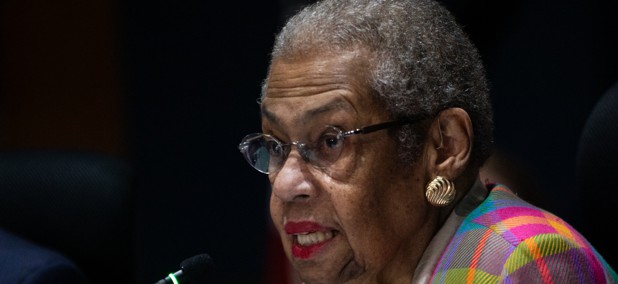
Eleanor Holmes Norton to retire from Congress after decades of advocating for federal employees
Norton has been a “loyal friend” to the American Federation of Government Employees, said National President Everett Kelley.
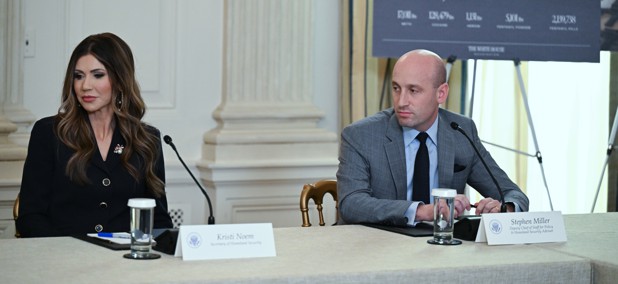
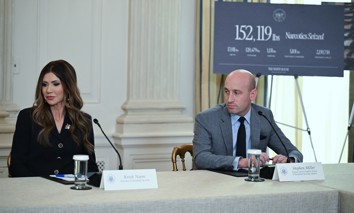
AFGE demands resignations of Noem, Miller following member’s slaying
The nation’s largest federal employee union said key leaders involved in the Trump administration’s crackdown on immigration and dissent “defamed” VA nurse Alex Pretti by erroneously describing him as a “domestic terrorist.”
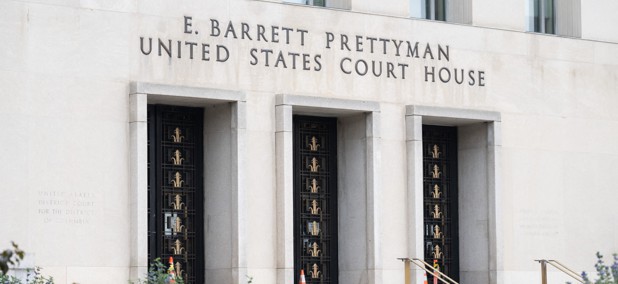
NTEU, White House spar over whether unions can challenge their ouster administratively
The Trump administration contends unions can seek review of their ouster from most federal agencies on national security grounds before the Federal Labor Relations Authority, but labor groups say that analysis misconstrues a term of art in federal labor law.
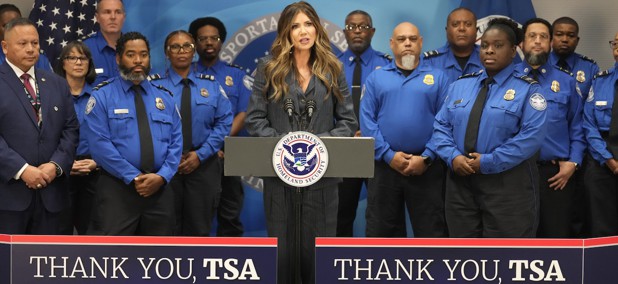
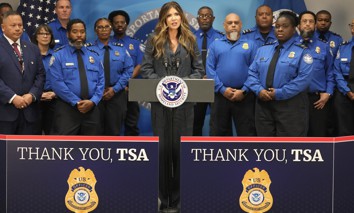
Judge: TSA ‘plainly’ violated court order with renewed union busting push
The Homeland Security Department’s planned ouster of the American Federation of Government Employees from the Transportation Security Administration, scheduled to take effect Sunday, must now be halted.


AFGE urges appellate judges to uphold injunction against Trump’s anti-union EOs
A three-judge panel on the Ninth Circuit Court of Appeals last summer blocked a lower court ruling that found President Trump violated federal employees’ First Amendment rights when it targeted two-thirds of the government workforce for removal of their collective bargaining rights.


Arbitrator: Trump’s union EOs violate ‘hierarchy of law’
Independent federal arbitrator Marvin Hill defied the Trump administration's demand that he dismiss an internal grievance against the Defense Department, remarking that to do so would require "re-writing" most legal textbooks.
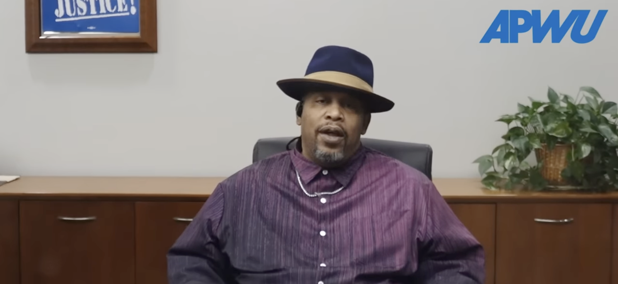
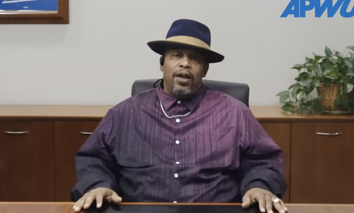
‘I am what I am’: American Postal Workers Union’s new president talks leadership during inflection point for U.S. Postal Service
Jonathan Smith said that he is opposed to the ongoing postal modernization plan called Delivering for America, but believes the Postal Service should expand the services that it provides to the public.
