
Tech


VA rolls out CLEAR login option and in-person identity verification pilot
The new offering will allow participating veterans to use facial recognition to access their VA.gov accounts.


GSA still has problems with location data for federal properties, watchdog finds
The agency has agreed to five recommendations aimed at improving the accuracy and management of the information.


FBI removes Accenture contractor after missed security patch led to breach
The bureau’s cyber chief blamed a contractor’s failure to apply an available fix for an intrusion that may have exposed sensitive employee information.


US spy chief tapped as White House AI czar
A new task force led by Jay Clayton, the director of national intelligence, will have 120 days to analyze and report on AI’s risks and opportunities, amid growing global calls for AI safety measures.


Transportation works to ease fears about its new AI air traffic control tool
Rep. Don Beyer, D-Va., who has expressed skepticism about Transportation’s rollout of an AI-powered tool at D.C.-area airports, said he had “a good conversation” with FAA Administrator Bryan Bedford about the new capability that helped to alleviate some of his worries.


GSA memo to set AI-specific acquisition rules
The language includes changes some industry groups have requested through a public comment period and will go into effect Oct. 19.
Tax chief pushes 'AI-first IRS' to get more out of agency's workforce
The IRS made more than 4,000 hires this year, but its headcount remains mostly unchanged after cutting more than a quarter of its workforce last year.


Updated
GSA is losing a key digital modernization leader
Michael Lynch joined the General Services Administration in January 2025 as a senior advisor and later became the agency’s deputy administrator.


White House launches AI-powered ‘America.gov’ digital front door
The president signed an executive order at the event requiring agencies to integrate many of their services with the new website.

Agencies withheld records needed to verify DOGE data safeguards, GAO says
A review of six agencies could not establish the full extent of DOGE’s system access or whether security rules were followed. Two agencies challenged the watchdog’s authority to investigate.


Updated
OpenAI agents accessed Census, SEC data and tried to hack Education website
The disclosure follows warnings from former officials in August that government systems could face unintended intrusions by autonomous AI agents.
Featured eBooks



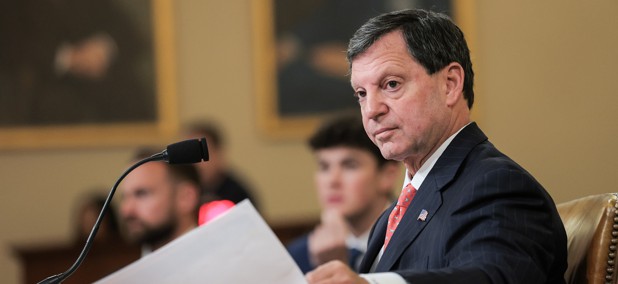

SSA’s lead had set a goal of 200M online accounts this year — experts say that might prove challenging
The Trump administration recently achieved 105 million online accounts, and lawyers are increasingly encouraging clients to make them as more services go digital.


Updated
ShinyHunters claims FBI data theft, demands bureau retract cyber warning
The hacking group says it obtained sensitive employee and applicant records. The full scope of the claimed breach remains unclear.


Login.gov is now accepting mobile driver’s licenses
The feature builds on the federal government’s effort to mandate that agencies use the digital identity verification platform.


Trump wants an ‘AI Force.’ What would that actually look like?
The president compared the proposed unit to Space Force, but offered few details about its mission, authority or place in the federal government.


Space Force braces for stalled progress amid lack of full funding
Fiscal 2027 program starts are already on hold until December.
Inside Commerce efforts to break data siloes and improve integrity
An agency official also encouraged public comment on a proposed overhaul of the census that would eliminate race questions and change who is counted as living in the U.S.




AI ‘is changing the game’ in fraud threats and prevention efforts, SSA OIG official says
Chief Strategy Officer for the SSA Office of the Inspector General Chad Bungard said “the government is looking towards AI to fight fraud, and the criminals are looking towards AI to commit fraud.”
TSA uses AI agent to respond to 100,000 traveler conversations per month
The technology has resolved 96% of traveler inquiries without human escalation, according to Salesforce.

VA watchdog uses AI to help compile healthcare facility audits
The Office of Inspector General has been using Copilot Chat “to review inspection data such as interview transcripts, documents, questionnaire responses, and physical observations.”
