
White House
Fired MSPB member appeals to Supreme Court
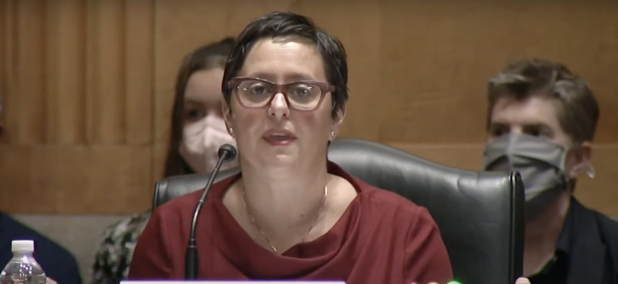
Attorneys for former Democratic Merit Systems Protection Board Member Cathy Harris argued that however the justices rule in a similar case involving the Federal Trade Commission, Congress can prescribe removal protections for officials at “purely adjudicative” agencies.
Record-smashing $1.5-trillion spending proposal will fund only the ‘most essential things’: comptroller
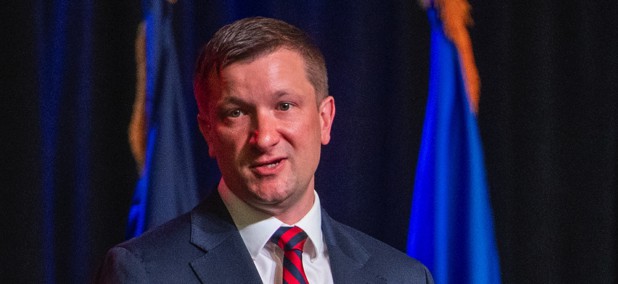
The Pentagon’s acting CFO also said that just a sliver of the $153 billion reconciliation funds remains unallocated.


LGBTQ data is disappearing under Trump, reports find
Government agencies have gotten rid of gender identity and sexual orientation data elements from over 360 data collections over the last year.

These former government tech leaders are prepping day-one plans for a future administration
Mikey Dickerson, the first head of the U.S. Digital Service, is a senior advisor for the effort, called the Tech Viaduct.
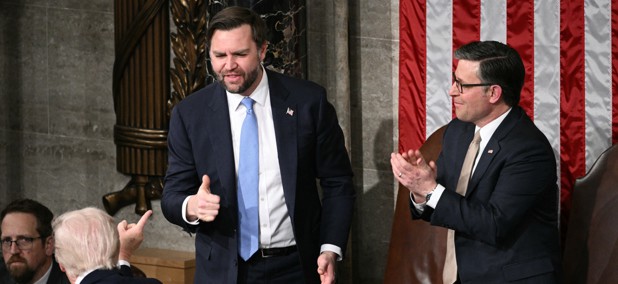
Memo to JD Vance: Fighting the War on waste
COMMENTARY | The White House's proposed war on fraud, waste and abuse is neither new nor an assured outcome for any presidential administration, but history offers some lessons that can help get started.
Top NSC cyber official returns to academia
For the last year, JD Work was a high-ranking official working on cyber policy within the White House National Security Council.
New White House design team aims for ‘delightful’ websites — changing design ethos in the process
Trump’s chief design officer says that his work shouldn’t be controversial, but his team’s track record has raised questions about who their websites are for, who they leave out and whether the White House can garner trust based on sleek design alone.

Trump’s nutrition website directs users to Elon Musk’s Grok
The inclusion of Elon Musk’s chatbot in the government website follows backlash over the chatbot creating millions of sexualized images of women and children.
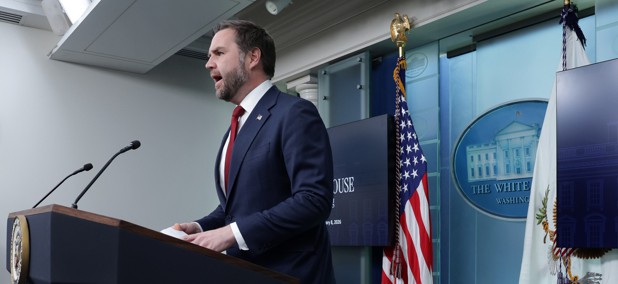
As Trump administration cries ‘fraud,’ experts worry it does more harm than good
“It’s dismaying,” one longtime anti-fraud expert told Nextgov/FCW of how the administration is using fraud as rationale but firing the watchdogs that are tasked with finding it.
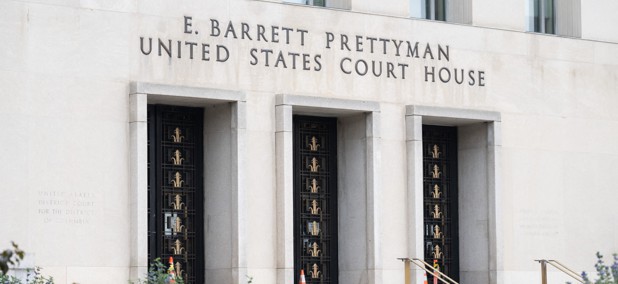
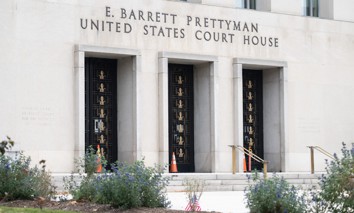
NTEU, White House spar over whether unions can challenge their ouster administratively
The Trump administration contends unions can seek review of their ouster from most federal agencies on national security grounds before the Federal Labor Relations Authority, but labor groups say that analysis misconstrues a term of art in federal labor law.
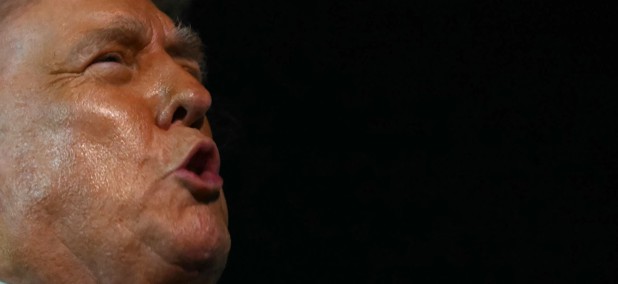
Trump defends cutting nearly 300,000 feds from their ‘boring’ jobs
The president claimed without evidence that all federal workers forced out during his first year back were now in “better” jobs in factories making double or triple their government salary.
Featured eBooks

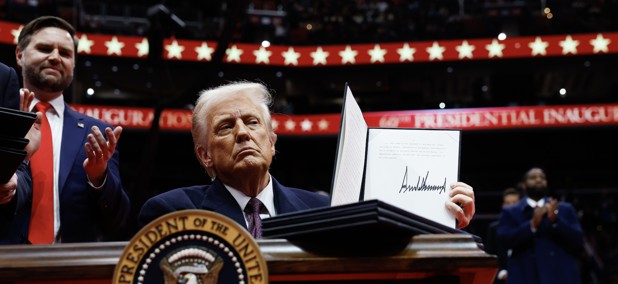
‘Harder days ahead in 2026’: Good government group predicts increased political interference in the civil service in Trump’s second year
A new analysis from the Partnership for Public Service looks at the effects, so far, of the Trump administration’s reforms to the federal workforce and what they could portend.


I ‘did not expect to be told to build a battleship,’ Navy’s surface warfare director says
The Trump administration’s priorities are forcing the service to rethink its shipbuilding plans.
Probationary appeal rights under further threat by OPM proposal
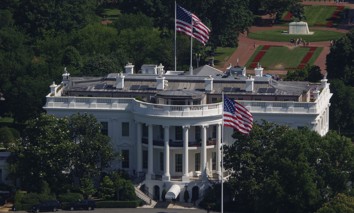
Under proposed rules issued last week, newly hired federal workers would no longer be able to appeal adverse actions to the Merit Systems Protection Board.
White House creates new assistant attorney general focused on fraud
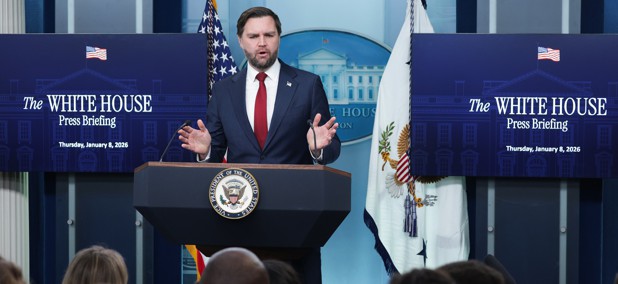
The vice president told reporters the new position will also be involved in addressing “the people who are defrauding the United States by inciting violence against our law enforcement officers” after an ICE agent shot and killed a woman in Minneapolis on Wednesday.
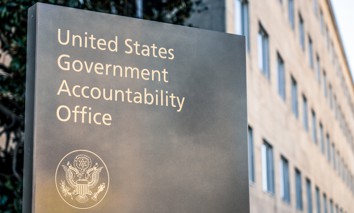
BEAD changes broke the law, federal watchdog finds
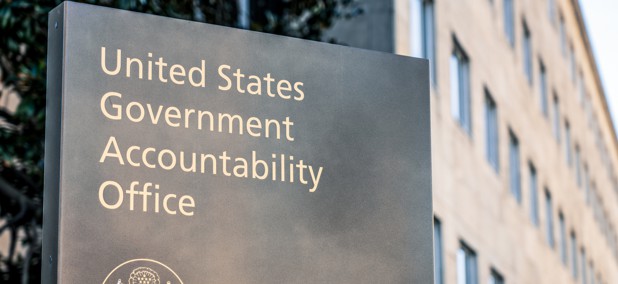
The Government Accountability Office found that last summer’s tweaks to the program should be submitted to Congress for approval before they can take effect.
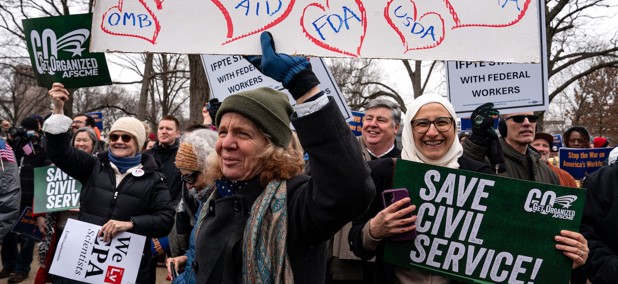
The twists and turns of Trump’s 2025 war on unions
Since returning to office, the Trump administration has engaged in a series of efforts to sideline labor representatives within the federal government.


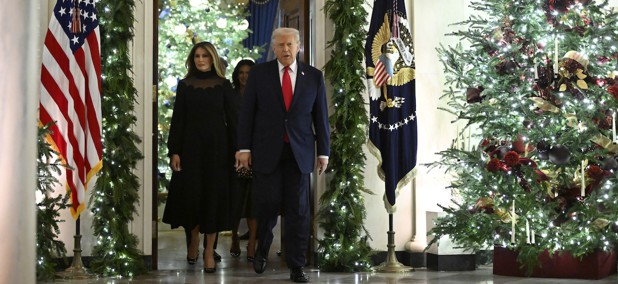
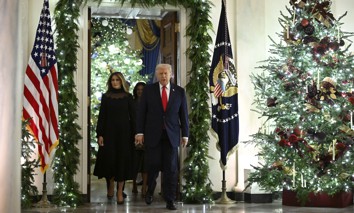
Feds will have Dec. 24 and Dec. 26 off
Federal employees will now have a five-day weekend, beginning on Christmas Eve.
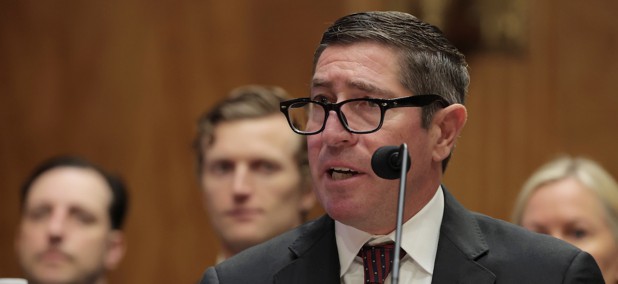
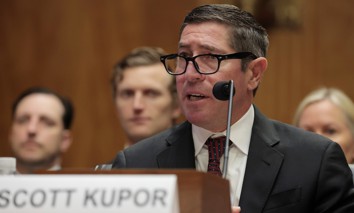
Trump finalizes 1% pay raise for most feds
The president also tasked OPM Director Scott Kupor with analyzing whether to provide federal law enforcement officers with a 3.8% pay increase, in line with what military service members are set to receive next month.
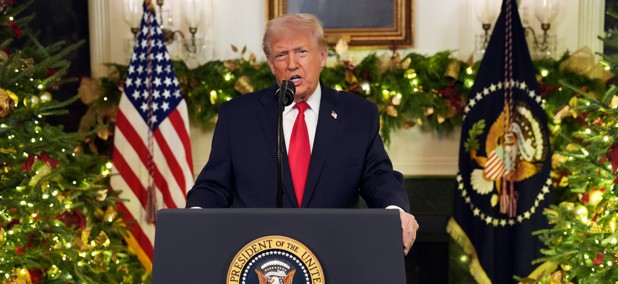
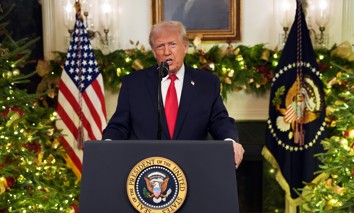
Trump rebrands troop housing subsidy as ‘warrior dividend’ bonus checks
More than $2.9 billion in reconciliation funds was allocated to beef up troop housing allowances. Now, it’s being used for $1,776 checks.
