
Firings
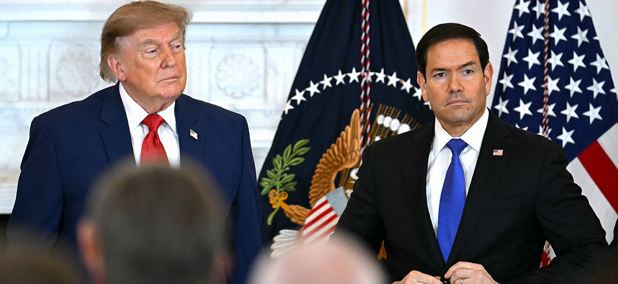
As presidents gain power, who keeps government accountable?
COMMENTARY | The Supreme Court's decision expanding presidential authority over independent agencies is about more than executive power, it also raises the stakes for congressional oversight, agency leadership and the federal workforce.


The biggest story in the federal workforce cuts isn't how many left, it's who wasn't replaced
COMMENTARY | The data suggest the workforce reduction reshaped not just the size of government, but the expertise available to carry out its work, one expert argues.
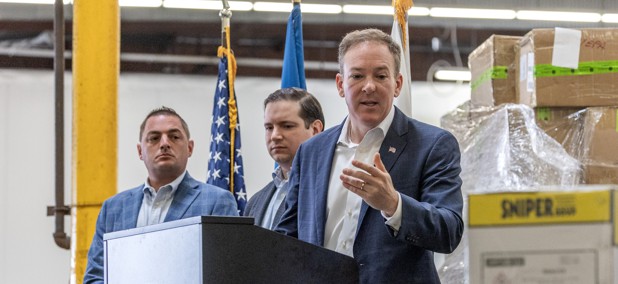
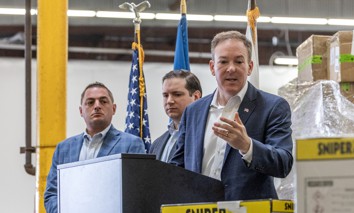
Fired EPA dissenters sue for reinstatement, alleging First Amendment violations
Seven former EPA employees said they were targeted for removal for signing an open “declaration of dissent” in their personal capacities because they had fewer civil service protections rather than any wrongdoing.
Trump wants to scrap a key framework for federal employee discipline
Officials said the Douglas factors, 12 criteria federal agencies have used for 45 years to devise and justify discipline for misconduct, are too restrictive and “mechanistic.” Practitioners disagree.
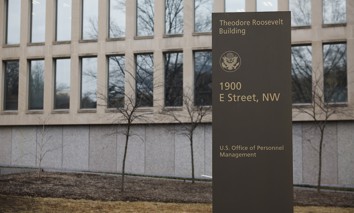
OPM finalizes ‘Nixonian’ rule centralizing and enabling some federal firings
Under final regulations published this week, the federal government’s dedicated HR agency can remove federal employees from across government over suitability and conduct issues—blocking most avenues for appeal.
Slaughter and the expansion of presidential power
COMMENTARY | The Supreme Court’s latest ruling has dismantled a century of independence for federal regulators, and the ripples of this decision may just be the start of a much broader reshaping of the executive branch.


President can fire independent agency heads without cause, Supreme Court rules
Justice Sonia Sotomayor wrote in a dissent that the decision “reshapes our government.”


They were told they’d move on. A year later, many fired federal employees say they haven’t been able to
A group of former federal probationary employees surveyed more than 300 of their fired colleagues to assess their job searches, mental health and several other topics.
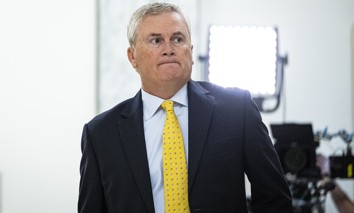
House GOP probes agency settlements with federal workers
Republican members of the House Oversight and Reform Committee argued agencies should settle less often with feds who allege prohibited personnel practices, but experts say the government acts similarly to private sector litigants.
FEMA brings back employees it recently let go as it looks to 'stabilize' its workforce
The emergency response agency made the decision ahead of hurricane season, and as a judge is demanding more information on the dismissals.
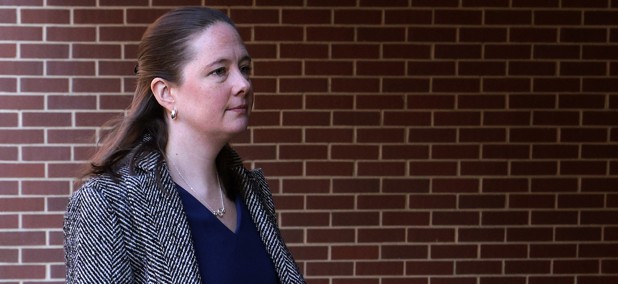
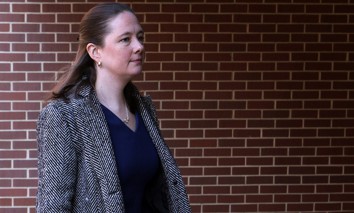
Feds that Trump fired without cause can take their appeals directly to federal court, judges say
The most recent decision involved a challenge from Maurene Comey, a former DOJ attorney and daughter of former FBI Director James Comey.
Featured eBooks


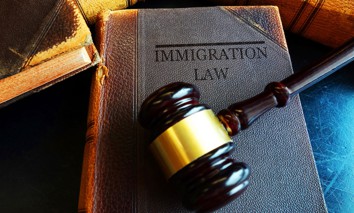
Dem senators boost effort to reinstate 2 immigration judges
Last month, the Merit Systems Protection Board upended decades of precedent when it ruled that the attorney general has constitutional authority to fire immigration judges on an at-will basis.

Trump’s federal workforce changes cost the economy more than $165.6B, analysis finds
The Partnership for Public Service report includes the costs of the deferred resignation program, severance pay for laid-off civil servants and federal employees who were on paid administrative leave while their firings were challenged in court.
FEMA came up with a goal to cut half its staff without a plan to get there, records show
The total was prescribed by DHS officials and sent to the White House.
A hiring rule meant to help people with disabilities get federal jobs instead left them more vulnerable to DOGE mass firings
Several fired Schedule A employees who spoke with Government Executive say they’re still struggling to find new full-time employment after losing their federal jobs.


6 federal scientists run out by Trump talk about the work left undone
“There’s been a fundamental destruction,” one researcher said. It’s going to “take a very, very long time to rebuild.”
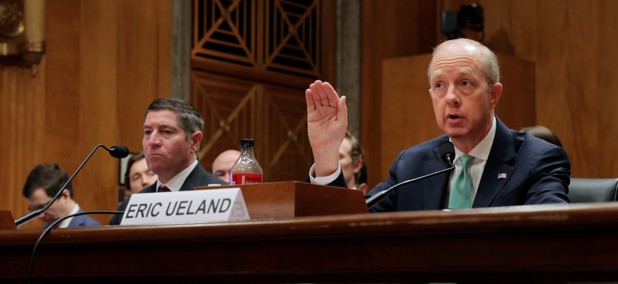
Continuing to shed federal workers remains ‘priority number one,’ White House official says
OMB deputy suggests that making it easier to fire feds will ‘liberate’ them to do their jobs better.


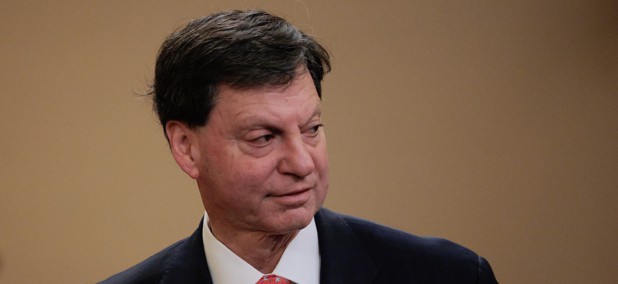
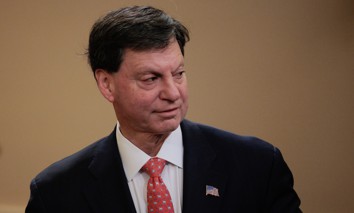
After shedding 25,000 employees, IRS chief says his agency now has perfect staffing level
The tax agency’s CEO criticized his predecessors for staffing up without justification, though he noted he has not conducted workforce analysis either.
DOJ contradicts FEMA on who approved mass firings
"I don't have a great explanation for that," a DOJ lawyer says when asked to clarify in court.
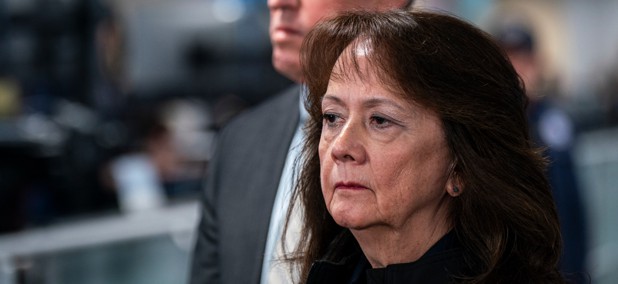
Officials warn disaster response at risk as former and current FEMA leaders clash in court over mass staff cuts
Recent FEMA execs say the current leadership does not understand how the agency actually works.
