
Elections
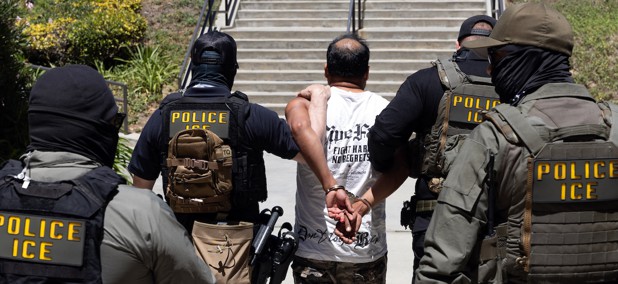
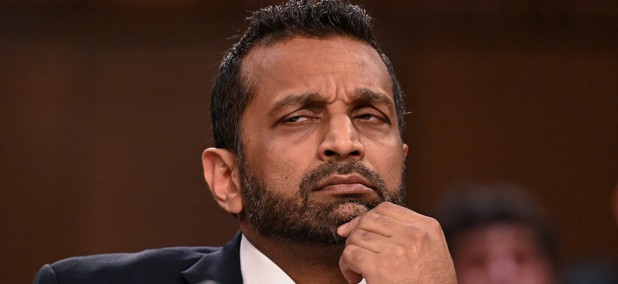
Patel won’t say whether FBI agents will be at the polls this fall
The FBI director faced senators’ questions about election activity, hiring standards and the bureau’s handling of AI crimes during a tense five-hour hearing on Tuesday.
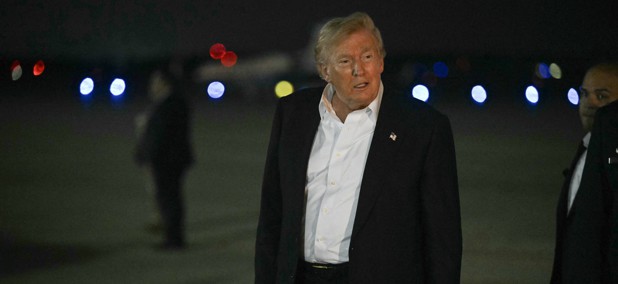
Trump empties out election commission leadership just months before midterms
Career staff can continue day-to-day operations, but the leadership gap could affect decisions on voting technology, standards and federal election programs.
Intelligence office names 2 officials to coordinate election security efforts ahead of 2026 midterms
After months of uncertainty about how leadership for election-related work would be structured for the 2026 cycle, the Office of the Director of National Intelligence has tapped two senior officials to help coordinate agency efforts to track and counter threats, according to people familiar with the matter.
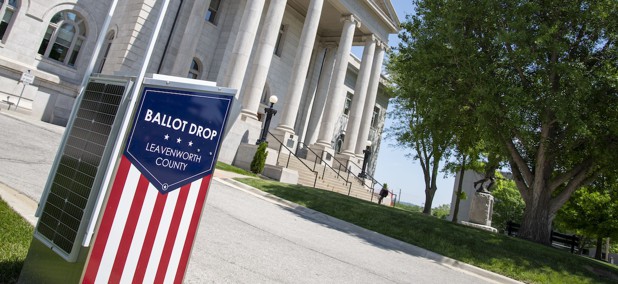
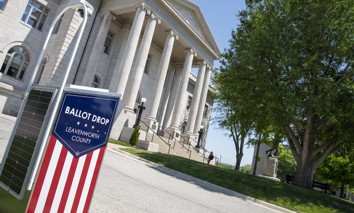
Agencies delay action on Trump mail voting order amid legal fight over authority
DOJ says lawsuit is premature as questions mount over control of the Postal Service.
Former civil servants aim to shape policy as members of Congress
Dozens of federal employees who left or were pushed out of government in 2025 are now running for office.
Inside Trump’s overhaul of federal election security agencies
Career specialists have been pushed out and new political appointees installed across the agencies that safeguard federal elections.
Trump administration begins cracking down on federal employees' use of leave for voting
Agencies have begun notifying employees they can no longer take administrative leave for election-related activities.
Democrats push the Justice Department to keep the Election Threats Task Force amid rollbacks
The task force was created to help protect election officials from stalking and threats, but its future remains in question after the Trump administration scrapped other election integrity initiatives.
How government leaders can maintain momentum amidst changing administrations
COMMENTARY | These recommendations may help maximize your time in a leadership role.
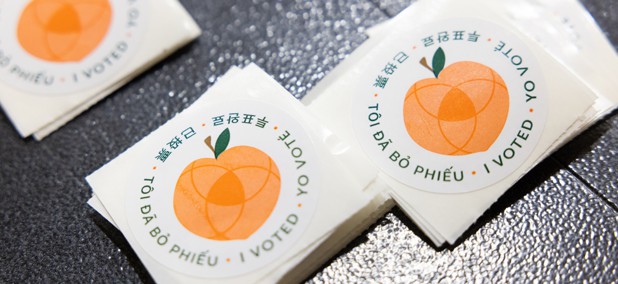
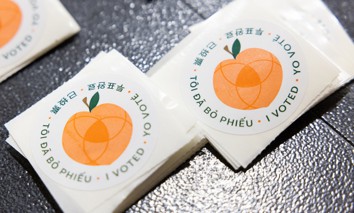
Russian email domains sent uncredible bomb threats to polling places, FBI says
Kremlin-backed actors have a long record of sowing fear and disinformation into the U.S. election process.
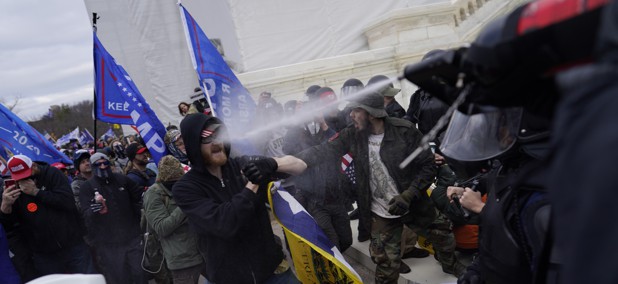
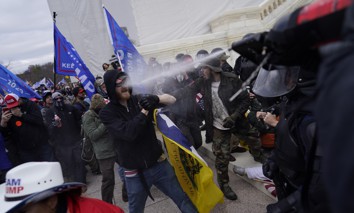
Law enforcement officials prepare for possible post-election violence in D.C.
After the events of Jan. 6, the assassination attempts of former President Trump and the concerns of further political violence following this presidential election, federal and D.C. law enforcement are stepping up their preparations in the nation's capital.
Featured eBooks


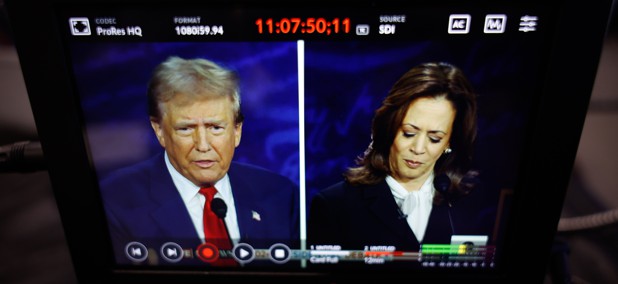
Trump and Harris are sharply divided on science, but share common ground on US technology policy
The candidates have demonstrated different budget priorities when it comes to the role of science and research funding in the federal government, but have taken similar approaches in the technology competition with China.
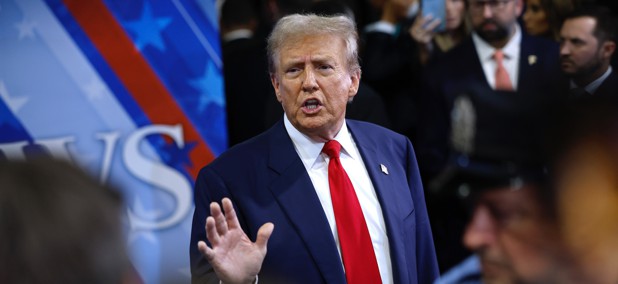
Gunshots fired near Trump in Florida; campaign says former president is safe
Secret Service officials said “a protective incident” involving Trump occurred near Trump International Golf Club in West Palm Beach, Florida, two months after an assassination attempt in Pennsylvania.
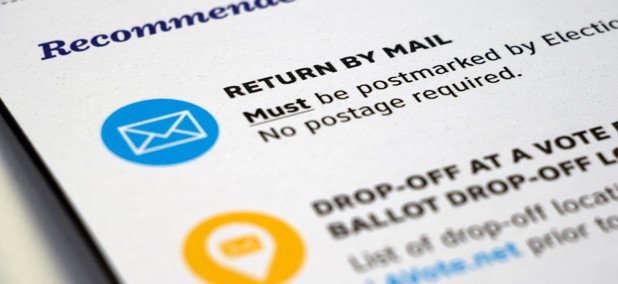
Voting by mail? Election workers are worried about issues at the Postal Service
State election officials are encouraging people who vote by mail to be proactive about making sure their ballots are counted. Here’s what to know.


The peaceful transfer of power starts now
COMMENTARY | Why we need to talk about election anxiety in the federal workplace.
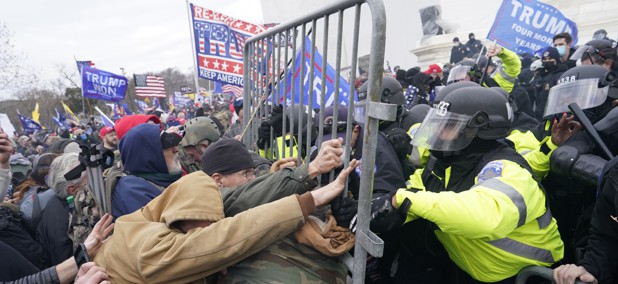
Additional security will be in place for the Jan. 6, 2025 certification of the presidential vote
Almost four years after the assault on the Capitol, Homeland Security Department officials will designate the congressional certification of the 2024 election a National Special Security Event.
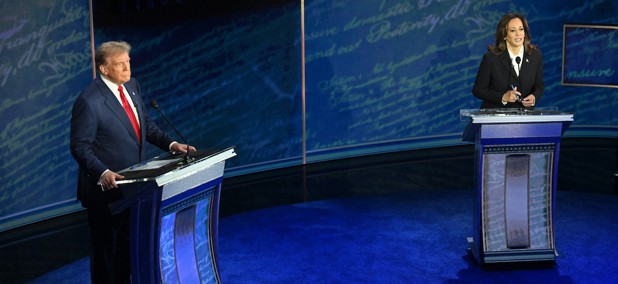
Key debate takeaways for federal employees
Vice President Harris and former President Trump sparred over border security and Project 2025, among other things, on Tuesday night.
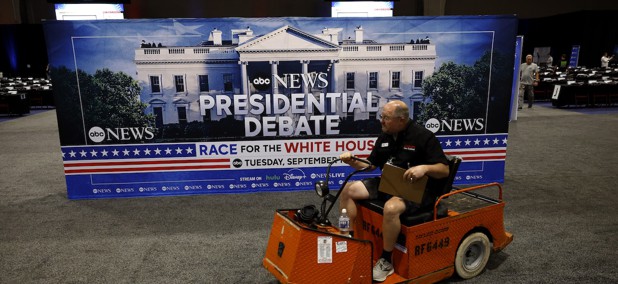
Bobbleheads, Magic 8 Balls, chairs and other artifacts in the Smithsonian reveal the historical significance of presidential debates
Although voters have come to expect debates in the weeks leading up to an election, they are a relatively new part of the campaign cycle, beginning only in 1960.
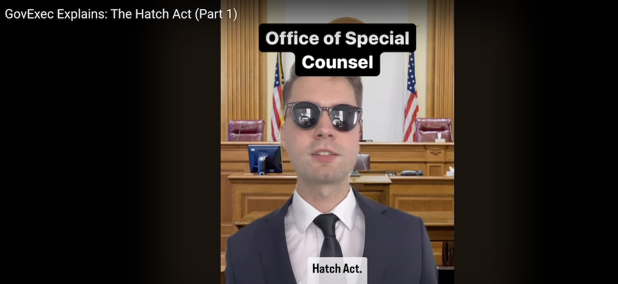
VIDEO: Hatch Act rules for federal employees, explained
The Hatch Act restricts the political activities of federal workers.
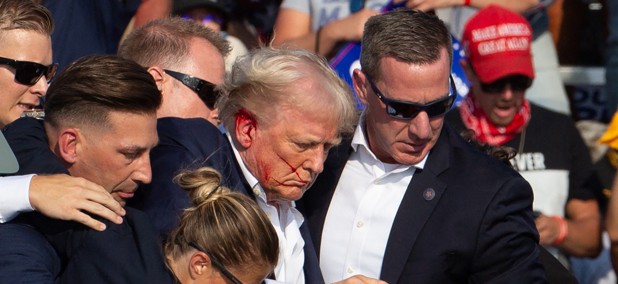
A pair of new bills aim to reshape the Secret Service
Rep. Ritchie Torres, D-N.Y., penned new legislation to shift the agency’s jurisdiction for investigating financial crimes and alter how it designates its protective perimeter in the wake of the Trump assassination attempt.
