
Benefits

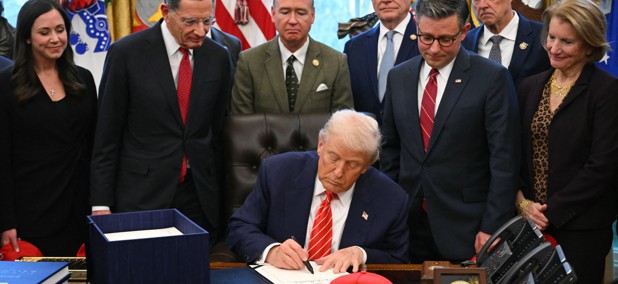
Congress guarantees furloughed feds’ back pay despite continued White House maneuvering
The Office of Personnel Management removed citations of the 2019 Federal Employee Fair Treatment Act from its shutdown guidance last month, as the Trump administration continues to insist that the law guaranteeing all federal employees back pay after a shutdown doesn’t.


TSP investments begin 2026 in the black
Each of the portfolios in the federal government’s 401(k)-style retirement savings program gained value in January.
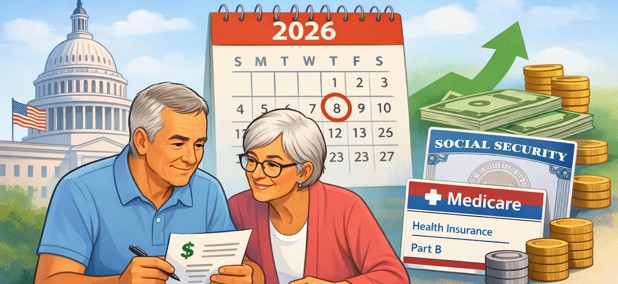
Federal retirees face new COLAs, premiums and earnings limits in 2026
Annual adjustments to retirement benefits, FEHB costs, Social Security rules and TSP limits are now taking effect.


Updated
How federal employees can protect a spouse in retirement
To better understand their potential benefits and financial risks in retirement, both spouses should be aware of some benefits planning realities.
Agriculture’s failure to force SNAP card upgrades is causing $555M in lost benefits, watchdog says
The Trump administration’s imperative to combat fraud has largely focused on recipients scamming the system, rather than becoming victims of fraudsters themselves.
Congressional appropriators won’t codify Trump’s ban on gender-affirming care for feds after all
Compromise minibus appropriations legislation unveiled Sunday removes a provision that would have affirmed the Trump administration’s removal of gender-affirming care from federal workers’ health insurance in statute.


Domestic TSP funds falter to close out 2025
Most portfolios within the federal government’s 401(k)-style retirement savings program were flat last month.


Feds will have Dec. 24 and Dec. 26 off
Federal employees will now have a five-day weekend, beginning on Christmas Eve.
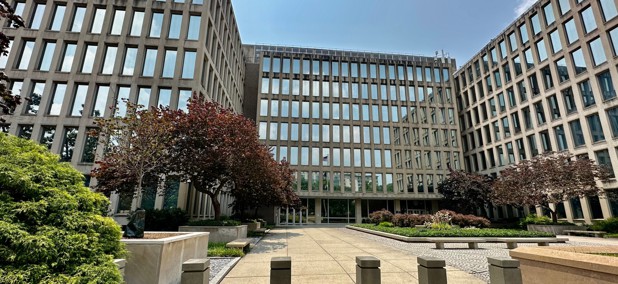

OPM finalizes rule simplifying recruitment and relocation incentive waivers
The final regulation allows the federal government’s HR agency to delegate its authority to offer recruitment and relocation incentive payments to other agencies.


Just days remain to lock in 2026 health and benefit choices
Open Season closes Dec. 8. Review FEHB and PSHB plans, savings opportunities, HDHP and FSA options and enrollment rules before the deadline.


Feds will probably have to work on Christmas Eve, but a holiday miracle would not be unprecedented
Because Christmas falls on a Thursday this year, President Donald Trump may give government workers Dec. 26 off rather than Christmas Eve.
Featured eBooks



TSP funds mostly flat in November
Though only one of the federal government’s 401(k)-style retirement savings program’s portfolios lost value last month, none exceeded 1% in returns.
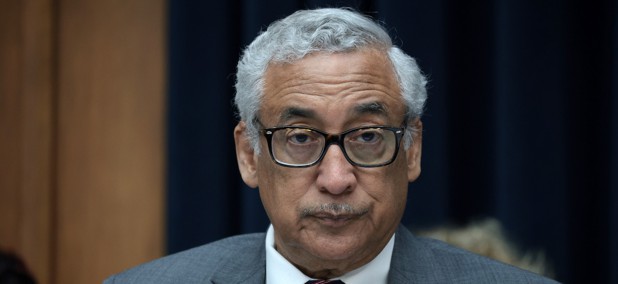
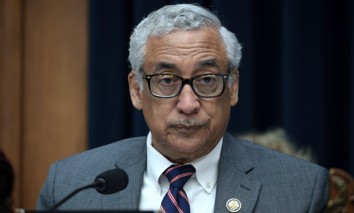
House Dems urge Trump administration to act on health insurance claim denials
Reps. Bobby Scott, D-Va., and Mark DeSaulnier, D-Calif., call on the Labor Department’s EBSA to strengthen staffing, improve data collection and enhance appeals protections as claim denials continue to harm participants and beneficiaries.
Use this checklist to make the most of 2026 FEHB Open Season
From rising premiums to fewer plan choices, this guide walks you through reviewing benefits, checking provider networks and using tax-advantaged accounts to keep your healthcare costs in check next year.
FEHB costs are climbing in 2026. Here’s what that means for feds
From higher premiums to new IVF coverage, many plans are shifting next year. Here’s how to find out what’s different in your plan and what it will cost you.


Growth slowed in most TSP funds in October
Despite a slowing rate of return, last month still marked the third consecutive month in which all portfolios in the Thrift Savings Plan all increased in value.
Two judges block Trump administration from cutting SNAP benefits
A pair of rulings have temporarily paused White House plans to halt funding to the food assistance program during the government shutdown.


What FEHB changes mean for your 2026 health coverage
Premiums are shifting, and the government contribution varies. Here’s what to know to avoid surprises and save where you can.


What to know when your child ages out of federal health coverage
Children can stay on a parent’s FEHB or PSHB plan until 26, but understanding the 31-day extension, conversion options and Temporary Continuation of Coverage is key to avoiding gaps.


Federal and postal workers to see double-digit health care premium increases again next year
Federal employee groups decried the second consecutive year of premium increases eclipsing 10 percent amid a government shutdown and a proposed 1% pay raise for non-law enforcement personnel.
