
AI



Targeted AI adoption can drive change, current and former officials say
Agencies “don't need the fanciest AI model on the marketplace” to enhance their customer-facing operations, according to former VA Chief Experience Officer John Boerstler.


Trump’s nutrition website directs users to Elon Musk’s Grok
The inclusion of Elon Musk’s chatbot in the government website follows backlash over the chatbot creating millions of sexualized images of women and children.


Rebuilding federal capacity will require public‑private partnerships
COMMENTARY | Amid the disruption of DOGE to agency operations and the oncoming workforce transformations of AI, the federal government and its private sector partners may have to collaborate to define the future of work.


Government by AI? Trump administration plans to write regulations using artificial intelligence
The Transportation Department, which oversees the safety of airplanes, cars and pipelines, plans to use Google Gemini to draft new regulations. “We don’t need the perfect rule,” said DOT’s top lawyer. “We want good enough.”
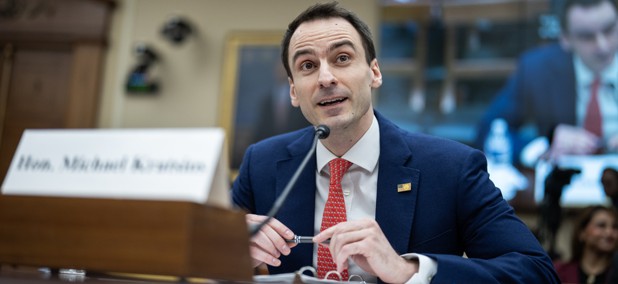
Democrats question White House tech lead on how workforce churn will impact AI Action Plan
Several House lawmakers also worried over whether the Trump administration’s budget request for 2026 would fall short of the funding agencies need to successfully carry out the White House’s AI action plan.


Report: Workforce shortages, security fears among biggest hindrances to agency AI adoption
A report issued by Google Public Sector shed light on the state of play for federal AI adoption, finding most efforts are currently in pilot programs and held up by security concerns.


Want an AI job at Treasury? Write a 10-page analysis of ‘Great Gatsby’
While the application requirement may actually be a test on using artificial intelligence tools, an AI expert said that the skills being measured are not relevant to the job listed.


White House instructs agencies to stop using ‘biased’ AI
The Office of Management and Budget clarified the steps agencies will have to take to ensure their contracted large language models do not produce “woke” outputs.
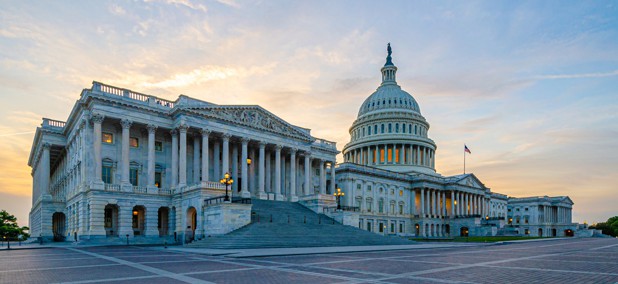
Bipartisan, bicameral bill looks to help the government hire more AI talent
The proposal follows the exodus of hundreds of thousands government employees — including AI and tech talent — under the Trump administration’s push to shrink the government workforce.
Democrats bring back AI civil rights bill
The reintroduction of an anti-algorithmic discrimination bill comes as the advocacy for a decade-long moratorium on state-level AI regulation recirculates in Congress.


Satisfaction with government services rises, despite recent layoffs and turmoil
The Trump administration has touted some service delivery projects and launched a design initiative, but it has also fired and pushed out thousands of civil servants.
Featured eBooks



Lawmakers signal support for using AI to prevent veteran suicides in FY26 VA funding bill reports
“There is a significant need to improve early suicide indicators and detection using artificial intelligence and machine learning technologies that improve operational efficiency and effectiveness throughout veteran service delivery,” according to a House Appropriations panel report.
As agencies shed staff, industry execs predict AI agents' rise
Amid the White House’s ongoing push to reduce the federal workforce, “government will be the largest users of agentic technologies of any industry,” predicted one Salesforce exec.


Nonprofit sues 4 agencies for details on AI use in enacting Trump policy
Democracy Forward is suing four federal agencies in a bid to access official documentation regarding if and how AI has been used in the Trump administration’s policy execution.

OPM adds OpenAI to its employees’ computers
The government’s personnel agency is taking advantage of the General Services Administration’s OneGov deal with OpenAI.

Meta offers agencies access to its open source AI models through OneGov deal
The agreement will allow government customers to use Meta’s Llama models, which are already publicly available, with the assurance that they meet federal requirements.
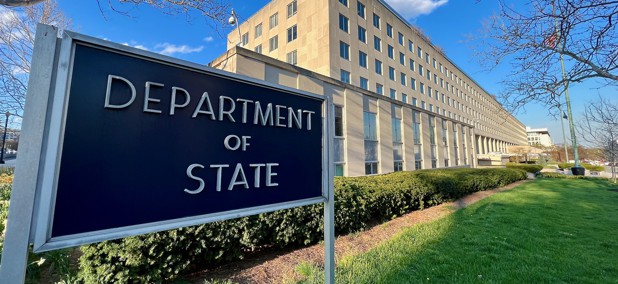
State Department hopes to use agentic AI to assist employee tasks, CIO says
That kind of autonomous action would go beyond the current capabilities of the agency’s AI chatbot, StateChat.


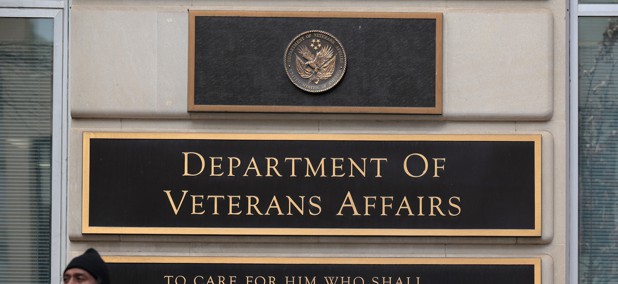
AI-based suicide prevention efforts at VA always have human involvement, official says
“We do not currently have any plans that I'm aware of to use AI as a treatment device instead of providers,” Evan Carey, acting director of VA’s National Artificial Intelligence Institute, told lawmakers.


AI platform rolls out tools for federal networks with no data retention
The new “Perplexity for Government” initiative will automatically identify federal networks to provide tailored search and security services.
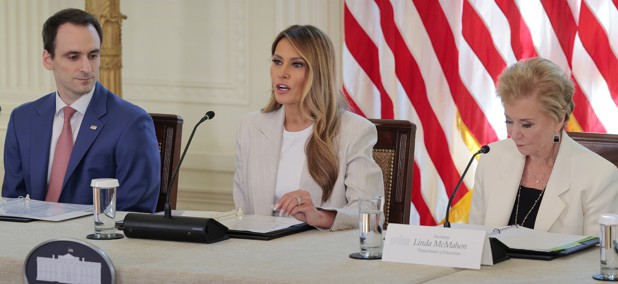
Agencies and industry announce efforts to further Presidential AI Challenge
The Trump administration is angling to leverage private sector partnerships and an all-hands agency approach to establish a robust U.S. AI workforce and education platform.
