

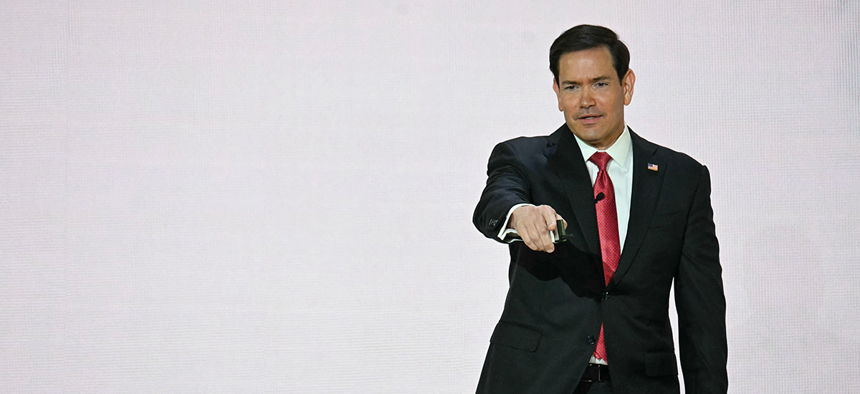
Secretary of State Marco Rubio recently appointed 14 members to the Foreign Service Grievance Board, keeping the appeals board running with a full roster. Jim WATSON / AFP via Getty Images



State Department appeals board, now with limited authority, gains new members
The Trump administration recently limited the board’s authority to challenge employee removals and other adverse personnel actions, asserting that the secretary of state has final say on these decisions.
The State Department is putting a new slate of individuals in charge of a panel that weighs the appeals of Foreign Service employees challenging firings and other disciplinary measures.
Secretary of State Marco Rubio recently appointed 14 members to the Foreign Service Grievance Board, keeping the appeals board running with a full roster. The board was half-staffed before these appointments, and the terms for all previous board members expired on Sept. 30.
The board’s former chairman warned Rubio in July that without new appointees, it would “cease to function” in fiscal 2027.
The Foreign Service Grievance Board, created under the 1980 Foreign Service Act, can reverse disciplinary measures and reinstate Foreign Service employees who face termination if the board deems there is insufficient evidence for the State Department to justify those actions.
The Trump administration, however, recently undermined some of the board’s authority to challenge employee removals and other adverse personnel actions.
The Justice Department’s Office of Legal Counsel, in a legal opinion released in August, determined that the board violated the Appointments Clause of the Constitution because it had “unreviewable authority" over the secretary of state.
DOJ wrote in a press release that the Foreign Service Grievance Board may continue to hear grievances, but that the secretary of state “will retain final decision-making authority, as the Constitution requires.”
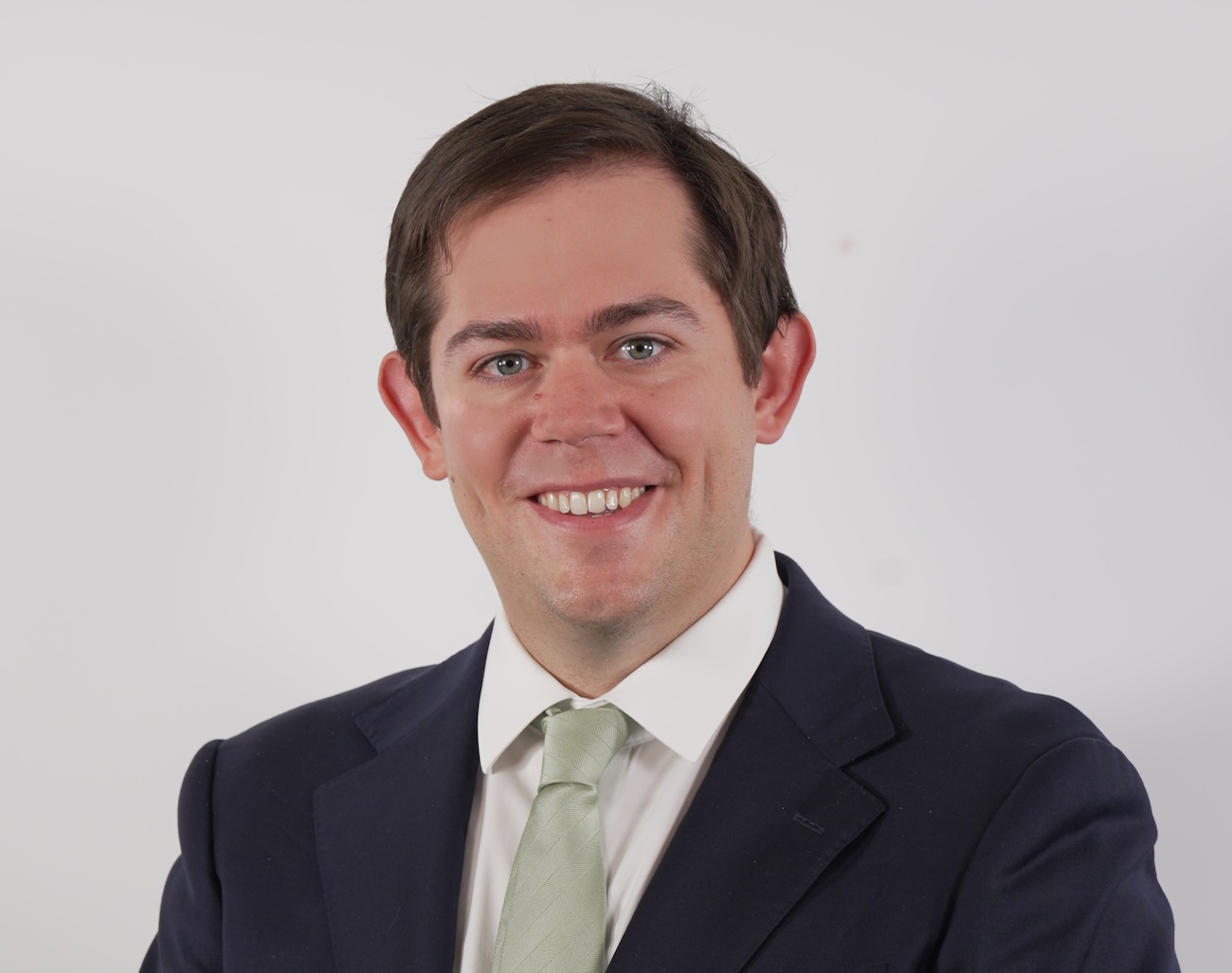
One of the board’s new members, Trenton Douthett, wrote on LinkedIn that the board’s work “matters because the people who serve overseas, often in difficult conditions and far from home, need confidence that disputes about their employment will be resolved fairly, impartially, and on the record.”
The American Foreign Service Association said in a statement that the Trump administration violated the Foreign Service Act by not giving the union an opportunity to approve the nominees.
“Congress required our participation, yet the agencies proceeded without it, rejecting a statutory safeguard designed to protect the board’s independence. Never in the board's history has AFSA been excluded from the process.”
More than a third of the board’s new members are members of the Ben Franklin Fellowship. According to a post on its website, the nonprofit fellowship was created in 2024 to give former Foreign Service employees an opportunity to promote “meritocracy — not DEI and wokeism — in diplomatic service.”
The New York Times recently reported on the fellowship’s influence on the upper echelons of the State Department. House Foreign Affairs Ranking Member Gregory Meeks, D-N.Y., wrote in a letter in May that 25 out of 92 total Ben Franklin fellows appear to hold senior roles within the State Department.
Other grievance board members who are not Ben Franklin fellows have supported the rollback of DEI programs on social media. Robin Keller, the board’s new chairwoman, defended the Trump administration’s decision to shutter USAID in a comment to a LinkedIn post last year.
“Please don’t lecture those making efforts to cut the knot on seemingly insoluble problems you wring your hands about and then carry on as usual,” Keller wrote. “Birthright citizenship when abused and other illegal immigration initiatives, the lawless USAID, and so-called diversity initiatives (which don’t enhance diversity) are corrupt and are not supported by the majority. Read the election results."
In a LinkedIn post about the Supreme Court’s June 2023 ruling overturning affirmative action in higher education admissions, Thomas Moran, another of the board’s new members, commented that the “racial spoil system just took a well deserved hit.”
Members of the Foreign Service Grievance Board serve two-year terms and can be removed by the secretary of state only “for corruption, neglect of duty, malfeasance, or demonstrated incapacity to perform his or her functions."
Amb. Gina Abercrombie-Winstanley, the State Department’s first chief diversity and inclusion officer, told Government Executive that during her tenure, “there was frequent dissatisfaction” with the board’s decisions – “so much so that our office met with them to better understand how they landed where they did.”
“We learned there was a strict adherence to the law and little room for interpretation,” Abercrombie-Winstanley said. “Many of the puzzling, often upsetting decisions came down to HR or officers not documenting adequately or as instructed.”
“What we’ll see with the new Board (regardless of makeup) is whether they follow the law,” she added. “If they do, there shouldn’t be any major differences in outcomes.”
In April, the State Department recently signed a nearly $1 million contract with the company Military Hire, a subsidiary of the employment firm RedBalloon, which calls itself “America’s non-woke job board.”
Military Hire CEO Andrew Crapuchettes said in an interview that the goal is to recruit 600 to 1,000 candidates to take the Foreign Service Officer Test. The State Department sent layoff notices to nearly 1,350 employees in July 2025. About 200 of them were Foreign Service employees.
If you have a tip that can contribute to our reporting, Jory Heckman can be securely contacted at jheckman.29 on Signal.
NEXT STORY: Judge extends temporary pause in USDA relocations as he considers indefinite freeze