
Terrorism
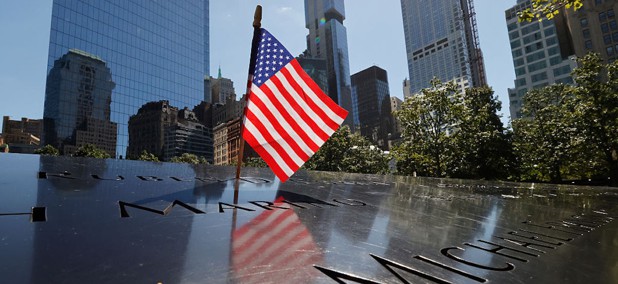
On 9/11’s 25th anniversary, modernizing government starts with remembering our past
COMMENTARY | Federal agencies still struggle to share information across organizational boundaries. The lessons of the post-9/11 reforms could help agency leaders build the data infrastructure needed for modern government and AI.
Secret Service is examining apparent Iranian video outlining Trump motorcade routes, assassination opportunities
The agency said it is looking into the Persian-language video, which uses polished, apparently AI-generated graphics to depict supposed motorcade routes in Florida and New York.
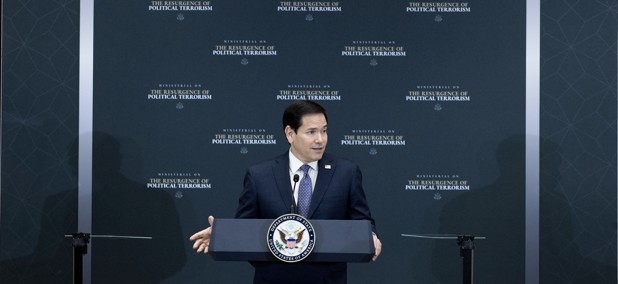
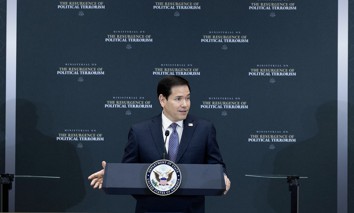
How a little-known Trump directive reshaped the government's counterterrorism approach
COMMENTARY | A presidential national security memorandum has become the framework for investigations and prosecutions that critics say raise new questions about executive power and civil liberties.
Exclusive
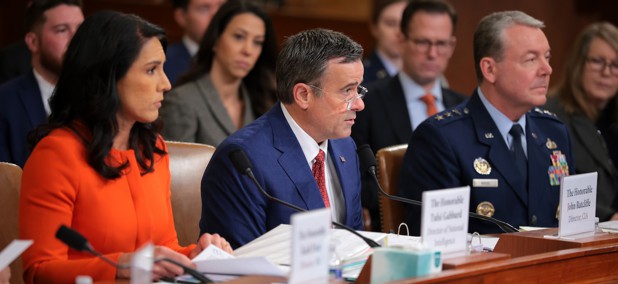
ODNI expected to shrink counterintelligence, counterterror centers
The steps are the latest in a series of moves that several current and former officials see as enabling broad vulnerability to foreign espionage attempts.
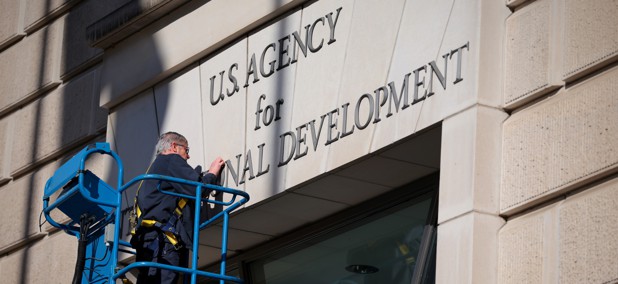
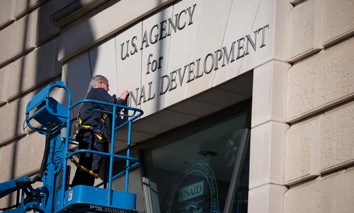
Trump administration cuts to terrorism prevention departments could leave Americans exposed
COMMENTARY | The U.S. military and law enforcement's counterterrorism efforts are largely grounded in responding to threats, while the federal government's prevention efforts have largely been winnowed due to ongoing personnel reductions.
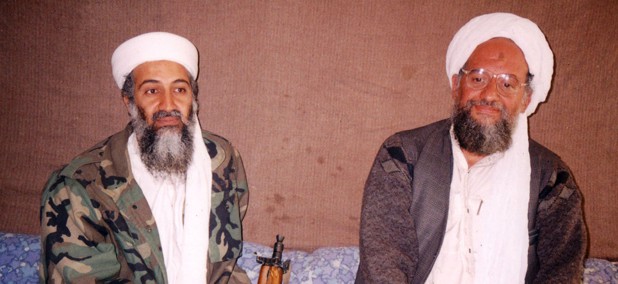
Al Qaeda Leader Killed In US Drone Strike, Biden Says
The strike “made good” on Biden’s promise to target terrorists after withdrawing from Afghanistan, an official said.
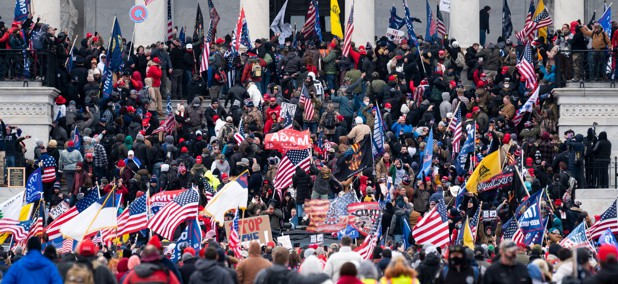
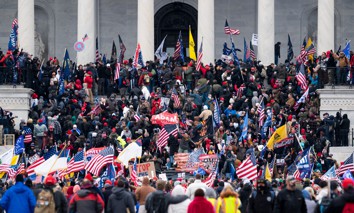
Jan. 6 Committee Set to Examine Trump’s Connection to Capitol Rioters – a Militia Expert Explains This Complex Relationship
Nationalist militia groups like the Oath Keepers have changed over the last several years – especially since the Capitol attack – in a few important ways, generally becoming more extreme.
The House Backs a Bid to Launch New Federal Offices Focused on Domestic Terrorism and Rooting Out Extremism in Government
The measure's future beyond the House is unclear as Republicans decry bureaucracy and federal overreach.


Billions Spent on Overseas Counterterrorism Would Be Better Spent by Involving Ex-Terrorists
The U.S. gives money to help Indonesia and other countries fight terrorism. But research shows that this money might not be effective, unless it directly reaches former extremists.


What We Learned from Russia’s Assaults on Nuclear Plants
Governments, international organizations, and nuclear plant operators have a lot of work to do.
DHS Has Seen Few Incidents of Violent Domestic Extremism in Its Ranks, but Internal Threats Remain
A year-long probe by DHS turns up only a handful of employees engaging in extremist behavior.
Terror Groups in Afghanistan Could Attack US Next Year, Pentagon Policy Chief Says
Kahl says ISIS-K might be able to strike in less than 12 months; AQ in one to two years.
Featured eBooks


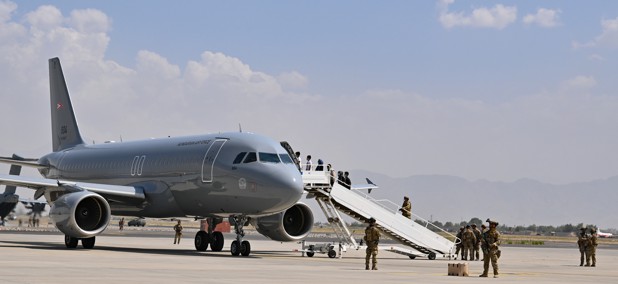

Almost Hijacked? Officials Dispute Scare Amid Ongoing Afghanistan Evac
While the chaos at HKIA is over, the effort to evacuate Afghans is not. Here’s how the U.S. is still getting people out.
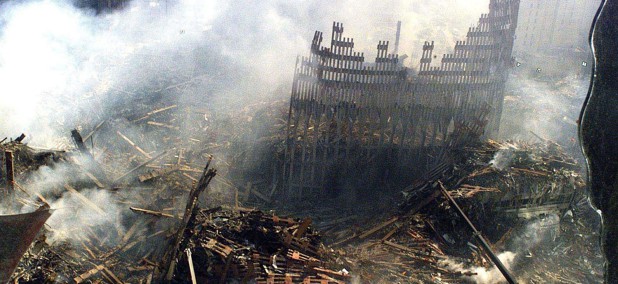
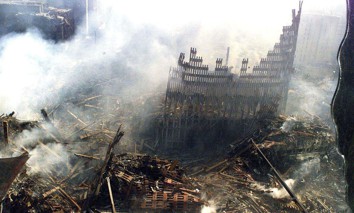
Long-Secret FBI Report Reveals New Connections Between 9/11 Hijackers and Saudi Religious Officials in U.S.
“This validates what we have been saying,” says an attorney for families of 9/11 victims who are suing the Saudi government over alleged support of the 2001 terrorist attacks.
GovExec Daily: The 9/11 Commission
Commission members and experts join the podcast to examine how the attacks and the commission's recommendations changed government.
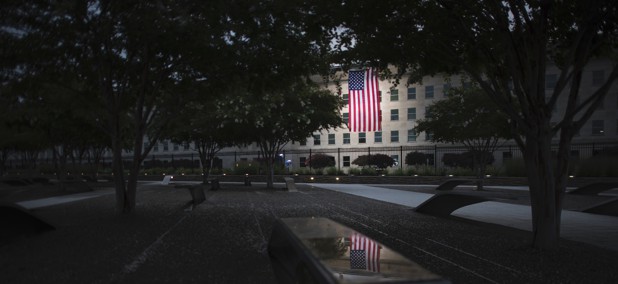
Declassifying the 9/11 Investigation
President Biden says he will open up the government’s secret files about the plot, but will they answer the questions that remain?
Federal Agencies ‘Pause and Remember’ 9/11 on 20th Anniversary of Attacks
The attacks transformed the federal government, resulting in the creation of the Homeland Security Department and changing agencies’ missions and the presidential transition process.
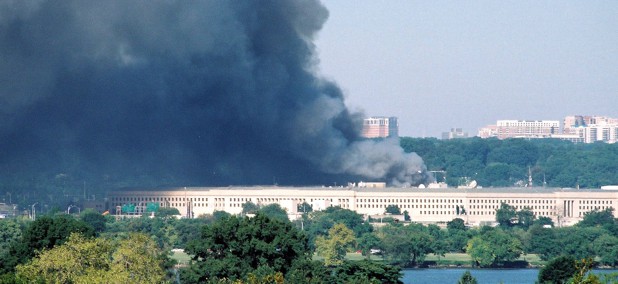
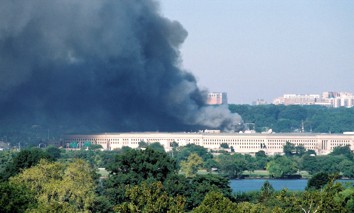
GovExec Daily: Reflections on the Sept. 11 Attacks
Twenty years after the terrorist attacks, the podcast recalls what the events meant for people in Washington, New York and government itself.



‘Get Out Now’ – Inside the White House on 9/11, According to the Staffers Who Were There
A top White House aide to President George W. Bush recounts what 9/11 was like for White House staffers.
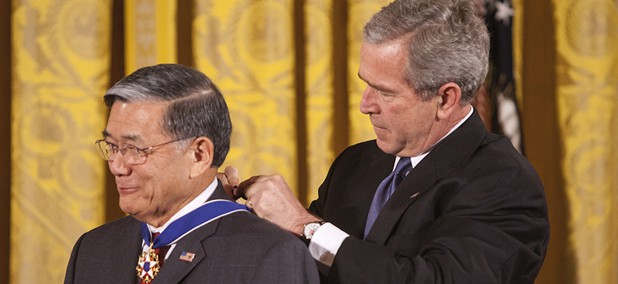
How Memories of Japanese American Imprisonment during WWII Guided the U.S. Response to 9/11
In the wake of 9/11, some called for rounding up whole groups of people viewed as potential threats to the nation. But Transportation Secretary Norman Mineta knew the U.S. had done that before.
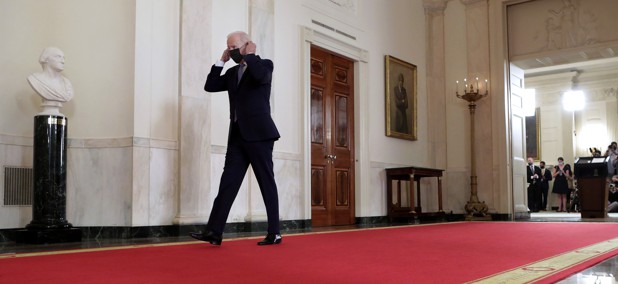
The War on Terror—in Afghanistan and Elsewhere—Is Far from Over, Biden Says
The president vowed to continue counterterrorism efforts.
