
Civil Service

Employee groups revive lawsuit to block Schedule F
A coalition of labor unions and other employee advocacy groups say President Trump’s plan to convert around 50,000 federal workers to at-will employees violates federal law, the Constitution and threatens to upend the merit-based civil service.
Updated
OPM proposes new layoff rules emphasizing performance and reducing employee protections
Since a draft of the new policy began circulating last fall, federal regulators expanded those excluded from agency reduction in force rules to include all career federal workers in the government’s excepted service.
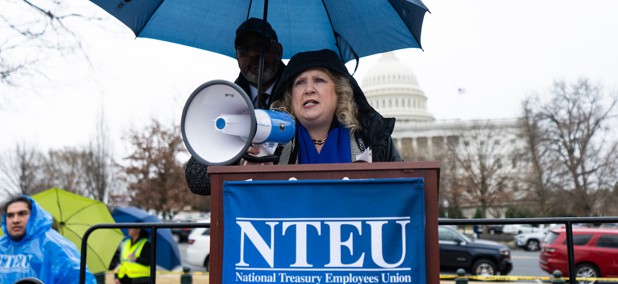
NTEU chief stands firm as agencies seek to terminate contracts
Doreen Greenwald said her union will continue to demand compliance with its collective bargaining agreements in face of a renewed push to excise labor groups from most federal agencies.
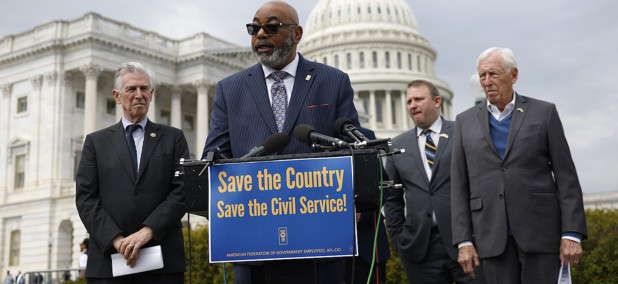
Appeals court declines to block Trump’s anti-union EOs
The lone Democratic appointee on a Ninth Circuit three-judge panel suggested that he and his colleagues may reach a different conclusion with the benefit of a “fully developed factual record.”
GAO report offers new details on the workers agencies lost last year
The government watchdog agency found that nearly 144,000 federal workers were accepted into the deferred resignation program in the first half of 2025.
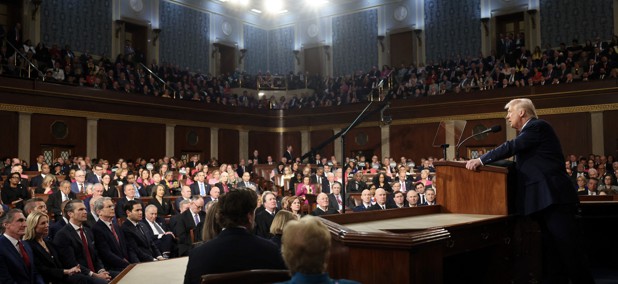
Trump promised to ‘reclaim power’ from civil servants in his 2025 speech to Congress. Here’s what has changed since
The administration has made strides on several of the federal workforce goals that the president laid out in his speech to Congress last year.
Updated
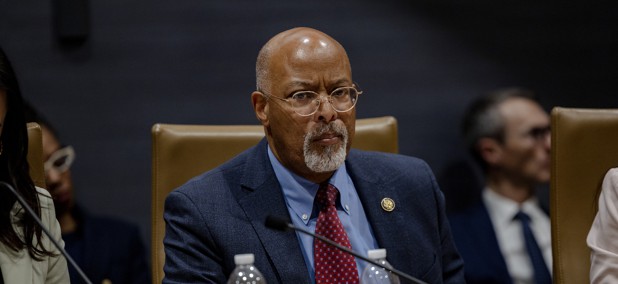
‘My dream job has turned into a nightmare’: Ex-feds and public service experts testify to Congress on how to rebuild government post-Trump
Some recommendations that several Democratic lawmakers and advocates brought up included overturning Schedule Policy/Career, restoring collective bargaining rights for the federal workforce and increasing congressional oversight.
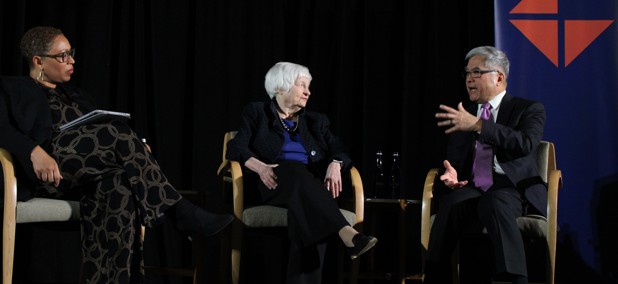
Former Cabinet secretaries urge federal employees to 'keep the faith' despite threats to civil service
Janet Yellen and Gary Locke praised career civil servants for their dedication and stressed the vital role they play in keeping government running, even in challenging times.
OPM seeks to consolidate power over employee appeals in new regulations
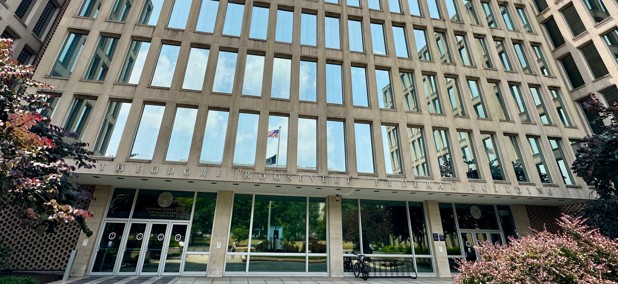
Under a pair of regulatory proposals published this week, the federal government’s dedicated HR agency seeks to wrest appeals of suitability and reduction in force decisions from the Merit Systems Protection Board.
Trump admin moves to finalize return of Schedule F
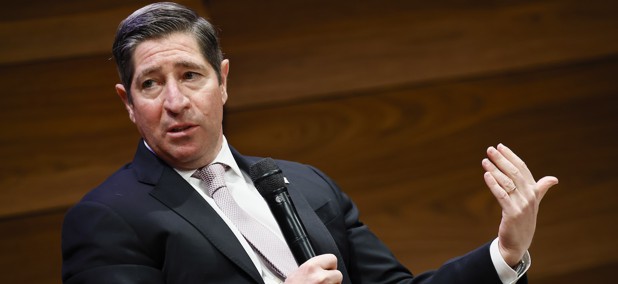
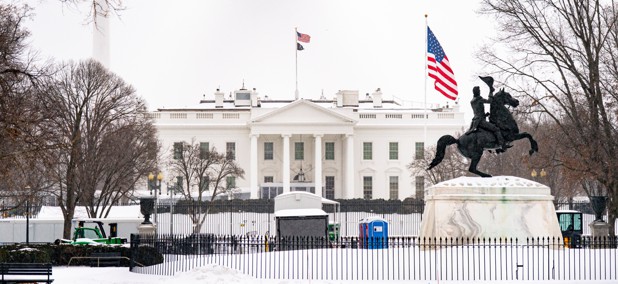
Officials estimate that around 50,000 federal workers will be stripped of their civil service protections beginning in around a month, as unions, employee associations and good government groups decry their positions’ politicization.
Schedule F won’t fix government’s performance management problems, report finds
The Partnership for Public Service warned that, contrary to proponents’ claims, there is “no evidence” that at-will employment improves employee or agency performance.
Featured eBooks


Trump defends cutting nearly 300,000 feds from their ‘boring’ jobs
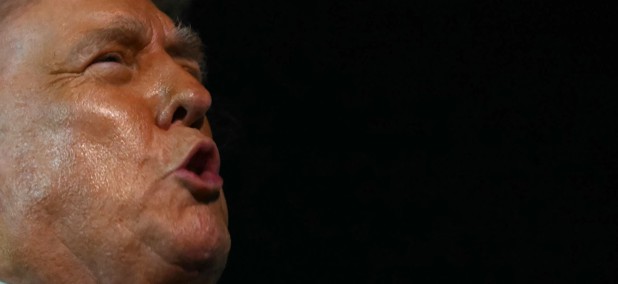
The president claimed without evidence that all federal workers forced out during his first year back were now in “better” jobs in factories making double or triple their government salary.
Let's play a drinking game
COMMENTARY | Americans' declining trust in government has been an oft-discussed trend for decades, but it turns out that it's neither unique to government nor Americans. So what is happening to institutional trust?
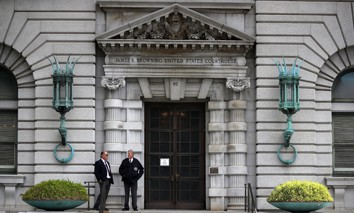
AFGE urges appellate judges to uphold injunction against Trump’s anti-union EOs
A three-judge panel on the Ninth Circuit Court of Appeals last summer blocked a lower court ruling that found President Trump violated federal employees’ First Amendment rights when it targeted two-thirds of the government workforce for removal of their collective bargaining rights.
Arbitrator: Trump’s union EOs violate ‘hierarchy of law’
Independent federal arbitrator Marvin Hill defied the Trump administration's demand that he dismiss an internal grievance against the Defense Department, remarking that to do so would require "re-writing" most legal textbooks.
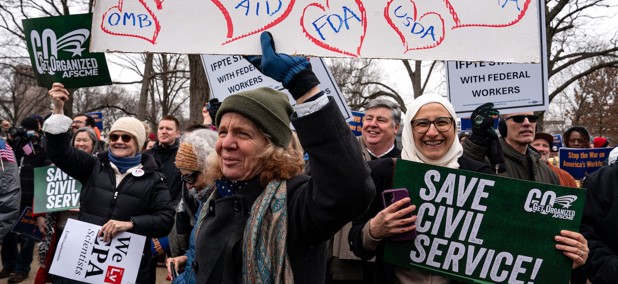
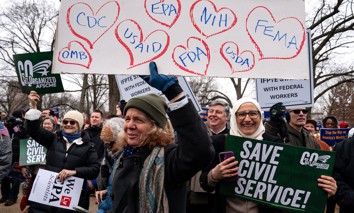
The twists and turns of Trump’s 2025 war on unions
Since returning to office, the Trump administration has engaged in a series of efforts to sideline labor representatives within the federal government.
Supreme Court won’t halt judge’s probe into civil service laws’ virility, for now
The unsigned order, which prompted no public dissents, suggested the Trump administration could return to the high court if the federal district court’s factfinding mission commences before justices consider whether to formally take on the case.


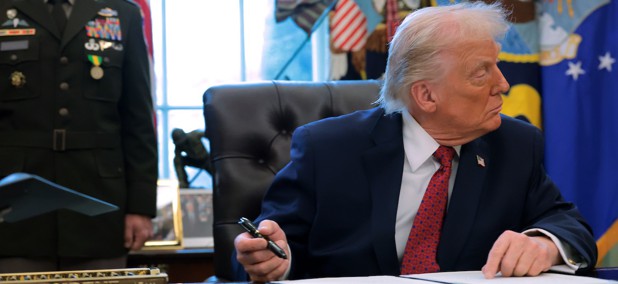
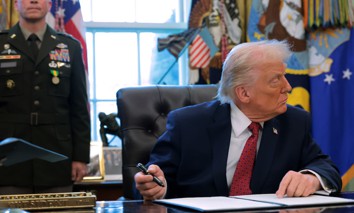
Appellate judges mull challenge to Trump’s efforts to bust most federal labor unions
Much of the discussion in oral arguments for three separate lawsuits revolved around whether an administrative board could hear unions’ legal claims and whether President Trump used a faulty definition of 'national security' when he devised two executive orders banning unions at most federal agencies.
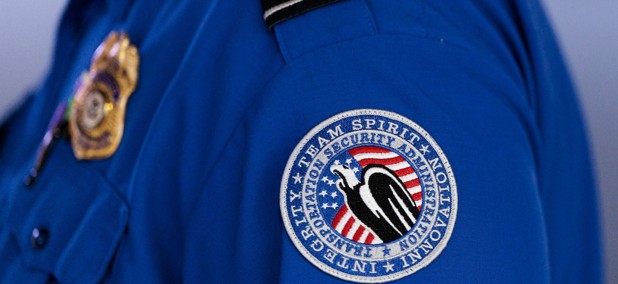
TSA plans to bust labor union despite court order blocking it
The Trump administration’s efforts to unwind collective bargaining for airport security screeners have been blocked since June, when a federal judge found the initiative was aimed at “punishing” the nation’s largest federal worker union.
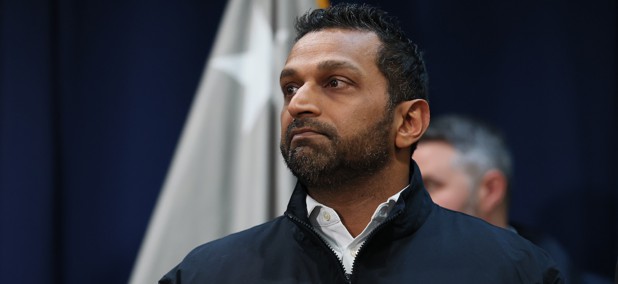
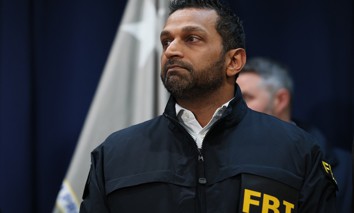
FBI agents fired over 2020 protest actions sue for reinstatement
A dozen former FBI agents said their decision to kneel while responding to 2020 protests against police brutality was a tactical one, required as the result of the first Trump administration’s decision to deploy federal agents without crowd control equipment or training.
