
Pay & Benefits



Cost-of-living adjustments for federal retirees to increase next year
Former federal workers are set to receive between 2.6% and 3.6% more from their retirement annuity next year, according to new numbers from the Social Security Administration.


Don’t let 5% become your TSP retirement strategy
Getting the full agency match is a good baseline, but if retirement is around the corner there’s more to consider before deciding what to do with the rest of your paycheck.
Federal employees’ health insurance premiums to rise by double digits for third straight year
Some insurance carriers have undergone wide swings in cost, as at least one plan’s premiums will more than double next year.


TSP funds were back in the negative in September
The performance of portfolios in the federal government’s 401(k)-style retirement savings program largely mirrored market-wide declines.


Retiring in 2027? Picking the right date could pay off
The date you leave federal service can affect when your annuity begins and how much you receive for unused annual leave.


Your federal benefits changed this year. Here’s what to know
A guide to the retirement, insurance, Social Security and TSP changes affecting federal employees, retirees and survivors in 2026, plus what to watch for in 2027.
Lawmakers call on leadership to override Trump’s planned pay freeze
Members of both parties urged congressional leaders to “at minimum” authorize an across-the-board 3.8% pay raise for civilian federal employees, in line with President Trump’s supplemental pay increase planned only for law enforcement.


Navigating the Pay.gov maze for federal retirement deposits
Don't let missing service credits or opaque OPM billing notices shrink your monthly annuity. Here is what you need to know before clicking submit.
Lawmakers again raise alarm over OPM’s health records collection plan
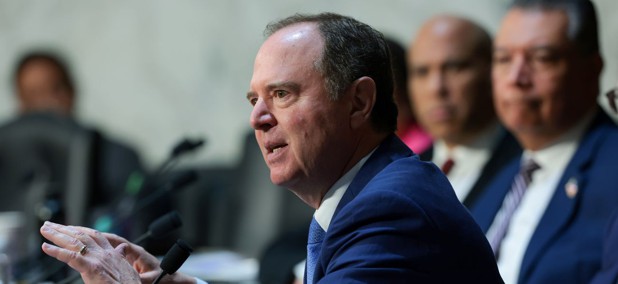
The Office of Personnel Management’s plan to collect claims-level health information about federal workers and their family members and store it for 30 years could open feds up to a potential security breach, Senate Democrats said.


What 9/11 can teach federal families about benefits
The federal workers’ compensation program can provide critical support after a work-related injury, illness or death, but families need to know what to document and which benefits to claim.


GSA announces per diem increases for feds this fall
Beginning in October, the amount federal agencies reimburse employees for daily lodging associated with official travel will increase by at least $3.
Featured eBooks



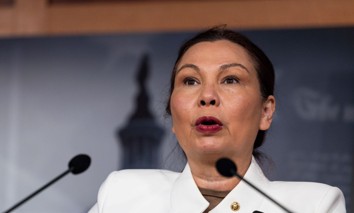
Air traffic controllers are still waiting on 2.8% of their congressionally approved pay raise
Federal Aviation Administrator Bryan Bedford says the agency needs to improve how it uses its existing workforce before he will release the rest of the increase.


Reliable rules for your retirement recordkeeping
Pro-tip: Don’t let messy files stall your federal exit.


TSP funds were back in the black in August
After two months of stock market slowdowns, the federal government’s 401(k)-style retirement savings program saw each of its offerings increase in value again.
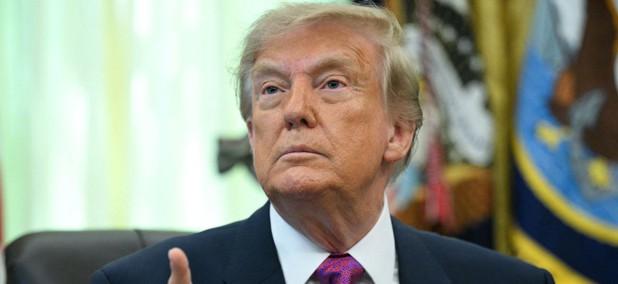

Trump’s 2027 pay freeze has unions warning of recruitment, retention problems
Critics of President Trump’s plan to keep most federal employees’, save for federal law enforcement officers and military service members, pay at 2026 levels say it picks winners and losers.


Trump formally proposes pay freeze for most federal workers, 3.8% increase for law enforcement
In a letter to House Speaker Mike Johnson, the president claimed that denying the federal workforce a pay raise will not hurt agency recruitment and retention efforts.


Want to retire at the end of 2026? Start planning now
OPM is still working through a sizable retirement backlog, and year-end retirees have plenty to sort out before they leave federal service.




Life happened. Now what about your retirement benefits?
From reemployment to remarriage, life after federal service can bring changes that affect your annuity, insurance and survivor benefits.


Bill expanding paid leave for feds is pared back in Senate
The upper chamber’s version of legislation extending 12 weeks of paid family leave each year to federal workers removes provisions allowing it to be used in connection with helping a family member who has been the victim of sexual assault, domestic violence or stalking.


Lawsuit seeks to enforce 2025 SCOTUS decision improving pay for feds called to active duty
In the 15 months since the Supreme Court ruled that federal workers who also serve as military reservists do not need to prove that an active duty deployment is “substantially connected” to a national emergency, OPM has yet to issue new guidance reflecting the new precedent.
