




Hot Summer in Store for State Employees
State Department will raise the temperatures to cut spending.

While the prospect of a hot war may preoccupy some State Department officials in Washington this summer, the certainty of a hot office is bound to be on the mind of every employee at the agency.
The department recently announced it will not furlough any employees this year. To reach the cuts required by sequestration, budgeters will rely on standard practices like a partial hiring freeze and a reduction in travel and conference spending.
State also threw in a new strategy, however: raising the temperature in department buildings to save money on energy bills.
“DOS target office temperature has been 72 degrees Fahrenheit in past summers and our plan is to raise that comfort set point to 75°F to 77°F this summer,” a department spokeswoman told Government Executive. “Historically, our monthly electricity bill increases by 30 to 40 percent from winter to summer and the new set point adjustment will allow State to avoid/recoup some of the traditional increases. The amount of savings will depend on the average temperatures in D.C. this summer.”
With the way D.C. summers have been trending lately, some State employees may have preferred furloughs; at least at home they’d be able to control their own air conditioning.
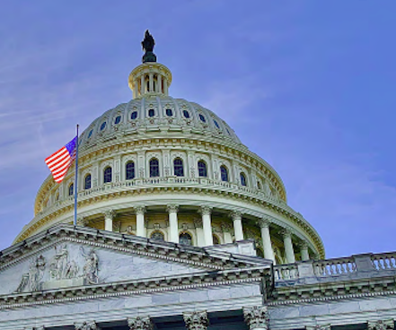
(Image via tab62/Shutterstock.com)
NEXT STORY: Van Halen, Brown M&Ms, and the Bureaucracy