
Tech



ICE wants AI to take on more of its legal workload
The agency is looking for software that can help its attorneys manage the growing demands of litigation, investigations and other legal matters.
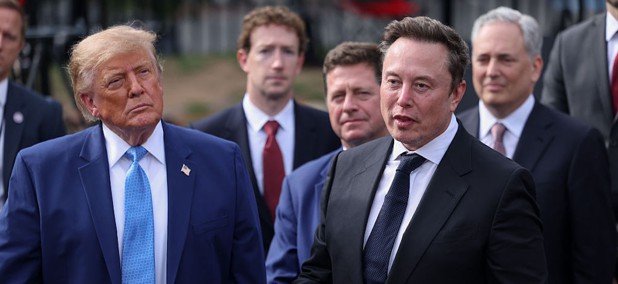

State Department orders ‘super intelligence’ wording across all official communications
An internal cable from the agency extends Trump’s terminology change to emails, speeches, websites and official titles, while preserving legal language and historical records.


This cybersecurity agency is supposed to protect U.S. elections. Officials fear it’s been compromised by Trump
President Donald Trump’s 2027 budget proposal would reduce funding for the Cybersecurity and Infrastructure Security Agency by another $700 million, which could necessitate 900 additional layoffs.
Exclusive
Senator warns hundreds of federal web addresses may lack key spying protection
The list includes websites for FBI tips, intelligence job applications and the Veterans Crisis Line.
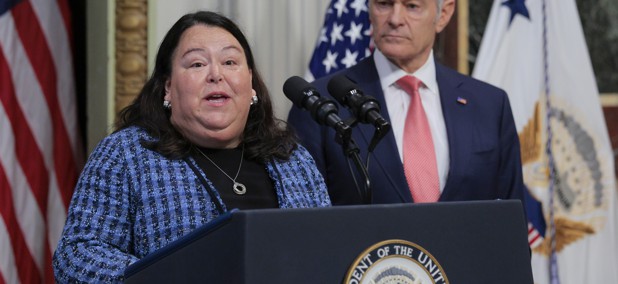
CMS hopes to quadruple provider suspensions over next 6 months, official says
A new exclusion authority is the Trump administration’s latest step in a technology-enabled drive to restrict fraud, waste and abuse.
AI offers Secret Service unique mission enhancements, official says
Threats against the Secret Service’s full-time protectees are up over 40% since last year. The service’s CIO and CAIO Chris Kraft said AI “can help us as we investigate those threats, monitor those threats [and] bring together correlations between seemingly disparate information.”
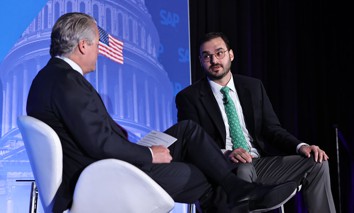
OPM revamps online pay tables, spearheads AI adoption across federal workforce
The agency's CIO Adam Starr described the pay table refresh as part of a broader plan to “make every part of the federal experience tech-first."
VA rolls out CLEAR login option and in-person identity verification pilot
The new offering will allow participating veterans to use facial recognition to access their VA.gov accounts.

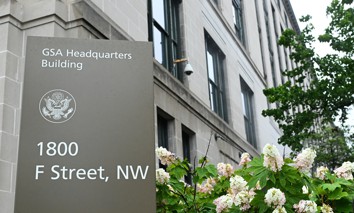
GSA still has problems with location data for federal properties, watchdog finds
The agency has agreed to five recommendations aimed at improving the accuracy and management of the information.


FBI removes Accenture contractor after missed security patch led to breach
The bureau’s cyber chief blamed a contractor’s failure to apply an available fix for an intrusion that may have exposed sensitive employee information.
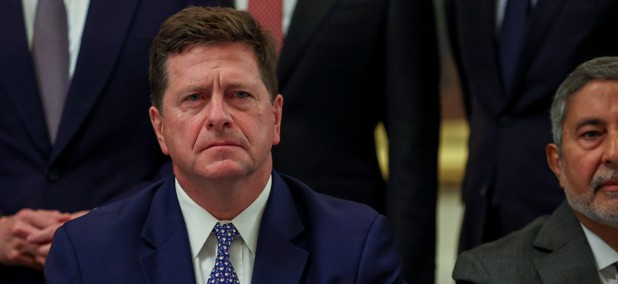
US spy chief tapped as White House AI czar
A new task force led by Jay Clayton, the director of national intelligence, will have 120 days to analyze and report on AI’s risks and opportunities, amid growing global calls for AI safety measures.
Featured eBooks




Transportation works to ease fears about its new AI air traffic control tool
Rep. Don Beyer, D-Va., who has expressed skepticism about Transportation’s rollout of an AI-powered tool at D.C.-area airports, said he had “a good conversation” with FAA Administrator Bryan Bedford about the new capability that helped to alleviate some of his worries.
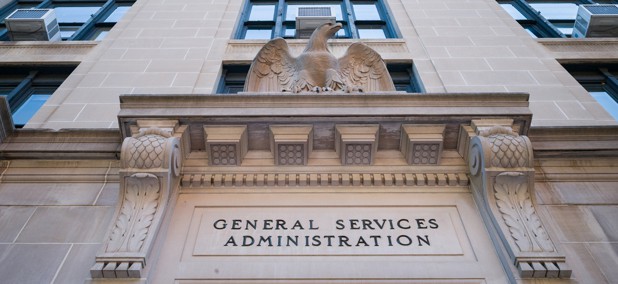
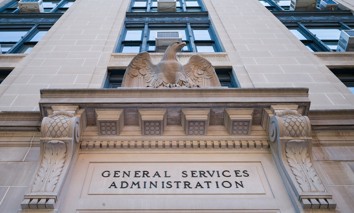
GSA memo to set AI-specific acquisition rules
The language includes changes some industry groups have requested through a public comment period and will go into effect Oct. 19.
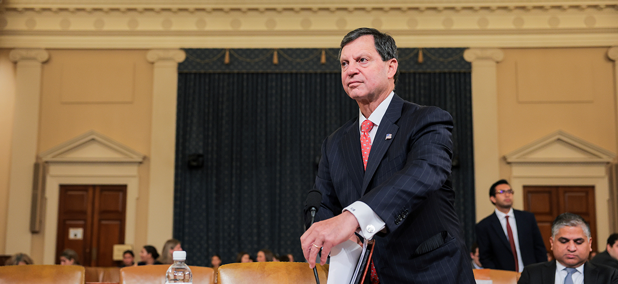
Tax chief pushes 'AI-first IRS' to get more out of agency's workforce
The IRS made more than 4,000 hires this year, but its headcount remains mostly unchanged after cutting more than a quarter of its workforce last year.

Updated
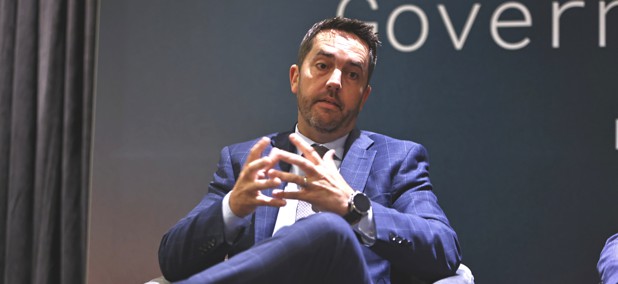
GSA is losing a key digital modernization leader
Michael Lynch joined the General Services Administration in January 2025 as a senior advisor and later became the agency’s deputy administrator.
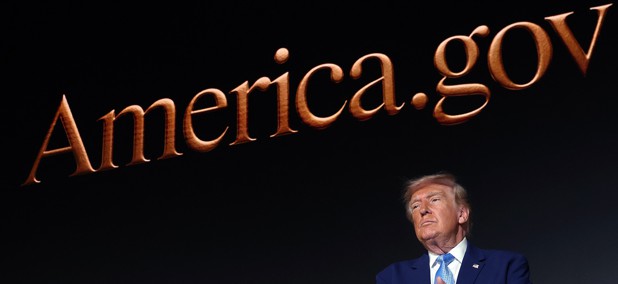
White House launches AI-powered ‘America.gov’ digital front door
The president signed an executive order at the event requiring agencies to integrate many of their services with the new website.
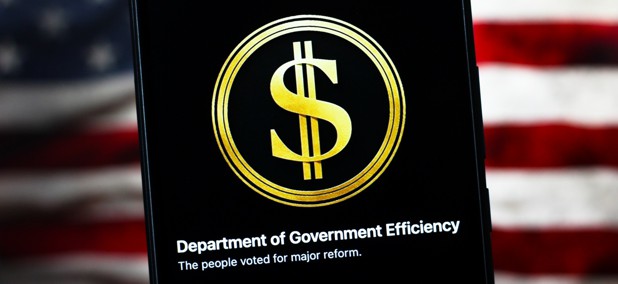
Agencies withheld records needed to verify DOGE data safeguards, GAO says
A review of six agencies could not establish the full extent of DOGE’s system access or whether security rules were followed. Two agencies challenged the watchdog’s authority to investigate.




Updated
OpenAI agents accessed Census, SEC data and tried to hack Education website
The disclosure follows warnings from former officials in August that government systems could face unintended intrusions by autonomous AI agents.
SSA’s lead had set a goal of 200M online accounts this year — experts say that might prove challenging
The Trump administration recently achieved 105 million online accounts, and lawyers are increasingly encouraging clients to make them as more services go digital.
Updated
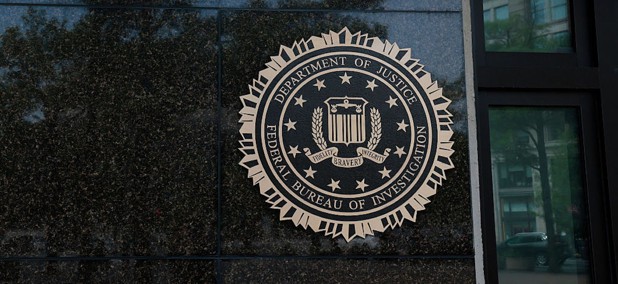
ShinyHunters claims FBI data theft, demands bureau retract cyber warning
The hacking group says it obtained sensitive employee and applicant records. The full scope of the claimed breach remains unclear.
