
Retirement Planning



Traveling soon? What federal health plans actually cover
Peak travel season is here, but most federal workers don't know what happens if they need care abroad. From upfront costs to medical evacuations, here is what your FEHB plan does and doesn't cover when you are out of the country.


The Social Security clock is ticking faster than expected
The Social Security problem isn’t new, but the timeline just got shorter, and the fixes are still the same.


How federal retirement benefits have changed over the years
From FERS to TSP to recent legislation, decades of policy shifts have reshaped how federal employees earn, save for and receive retirement benefits.


Women in federal service still face retirement gaps
Lifetime earnings, career interruptions and caregiving responsibilities continue to shape retirement outcomes for women in federal service.


A year after the Social Security Fairness Act, some retirees are still waiting for full benefits
The repeal of the Windfall Elimination Provision and Government Pension Offset should have restored benefits for everyone. For some retirees, the checks are still coming late or not at all.


How to make the most of FERS, Social Security and your TSP
Understanding each part of your federal retirement can help you plan when and how to retire and avoid surprises.


Federal workers delay retirement as savings gaps persist
A survey shows most workers expect to retire at 65 or later, but many haven’t calculated savings for health care or emergencies.


TSP in-plan Roth conversions: Are they right for you?
Federal employees can use a new Thrift Savings Plan tool to weigh the tax costs and retirement advantages of moving traditional balances to Roth.


The federal leave options employees can use when annual and sick time run out
From unpaid leave to parental and military leave, federal workers have multiple options for time off under specific circumstances.


Federal retirees face new COLAs, premiums and earnings limits in 2026
Annual adjustments to retirement benefits, FEHB costs, Social Security rules and TSP limits are now taking effect.


Could this be true?
An influx of federal retirees due to the Deferred Resignation Program and other separation programs has led to a litany of new questions on how to receive retirement benefits.





How federal retirement benefits are calculated and where estimates go wrong
High-three pay, length of service and overlooked reductions can significantly change retirement payouts.


OPM inspector general flags top management challenges for fiscal 2026
The latest report highlights staffing reductions, rising retirement claims and ongoing customer service and improper payment concerns.


Retiring soon? Key decisions every federal employee must make
From survivor benefits and health coverage to leave payouts and TSP choices, federal employees nearing retirement face deadlines that can permanently shape their finances.
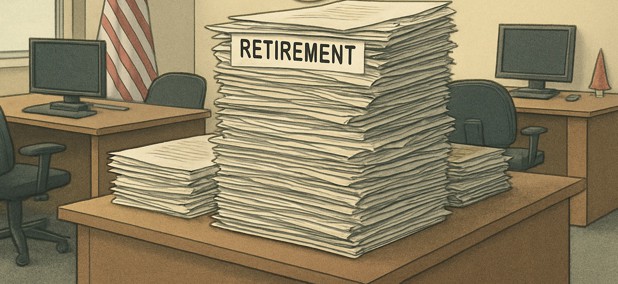
OPM’s retirement application pile remains large as the year draws to a close
New retirees awaiting full benefits may face holiday heartache as the backlog swelled to nearly 50,000 by the end of November.


Just days remain to lock in 2026 health and benefit choices
Open Season closes Dec. 8. Review FEHB and PSHB plans, savings opportunities, HDHP and FSA options and enrollment rules before the deadline.


Mailbag Week: Retirement applications and processing
A look at common retirement-processing snags, what causes delays and where OPM’s newer systems fit into the picture.



How federal employees over 65 can navigate Medicare, FEHB and TRICARE
Understanding Medicare enrollment, FEHB coverage, and TRICARE can help retirees avoid penalties, save money and coordinate benefits effectively.


OPM’s new blog touts modernization while retirees wait for answers during the shutdown
In his “Secrets of OPM” posts, Director Scott Kupor outlines efforts to digitize retirement processing and improve efficiency, but offers little guidance for those caught in the shutdown backlog.


What federal employees need to know about Medicare enrollment
An updated guide to timing, parts, costs and coordination so you don’t get stuck with penalties or surprises at 65.
