
Pay & Benefits Watch



Updated
House Dems want to know why retirees aren’t getting physical tax documents from OPM
Nine House members inquired about reports that constituents have not received physical copies of their 1099-R forms and have had difficulty contacting the federal HR agency to request them.


Why your federal benefits may not protect your family the way you think
While federal employee benefits can assist beneficiaries in the event of a loved one's death, it's important to understand the rules of those plans and how to best seamlessly apply them to your survivors.


Air traffic controller pay raise stalled by DHS shutdown
A House appropriations bill that previously authorized a 3.8% pay raise for air traffic controllers remains on hold as Senate Democrats continue to call for immigration policy reforms.


Roth in-plan conversions arrive for TSP, but consider tax implications first
Thrift Savings Plan participants need to carefully weigh the advantages and potential tax pratfalls of moving their balances to an after-tax investment strategy.
OPM expands job roles receiving 3.8% law enforcement pay raise
OPM Director Scott Kupor designated more job roles eligible for the special pay rate created for federal law enforcement.


Updated
How federal employees can protect a spouse in retirement
To better understand their potential benefits and financial risks in retirement, both spouses should be aware of some benefits planning realities.


Defense Department set to issue new civilian employee awards by end of the month
Defense Secretary Pete Hegseth in December directed department components to designate awards of up to $25,000 in an effort to “retain, reward, and recognize” the top 15% of civilian employees in each agency.


Signals of a slowdown: What federal employees should do with their TSP right now
If the U.S. is headed for a recession, federal employees need not panic about their investments, but instead strategically assess what their financial goals are.


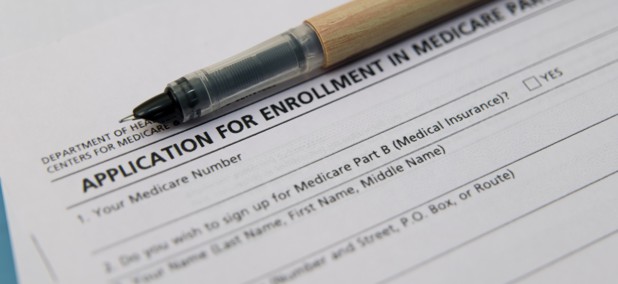
FEHB and Medicare Part B: Do FEHB plans reduce coverage if you don't sign up for Medicare?
Making decisions on whether to enroll in Medicare for many federal retirees could depend on how it interacts with existing health insurance coverage.
OPM finalizes rule simplifying recruitment and relocation incentive waivers
The final regulation allows the federal government’s HR agency to delegate its authority to offer recruitment and relocation incentive payments to other agencies.


More Border Patrol supervisors could become eligible for overtime pay
Under the Border Patrol Supervisors Retention Act, managers and senior agents up to GS-15 could receive a 50% overtime payment currently limited to GS-12s.
Featured eBooks




Finding purpose in retirement: A guide for government employees
Retirement planning is not only about financials, but also about redefining one's identity outside of their career.
Open Season advice for annuitants
Federal annuitants often don't have the same flexibility as federal employees when it comes to offsetting their health insurance costs, making it important to keep certain strategies in mind when weighing Open Season enrollment.


Delaying Medicare Part B: Why the penalty isn’t always as bad as it sounds
For federal employees with FEHB coverage, the timing of Medicare Part B enrollment can make a bigger difference than the penalty itself.

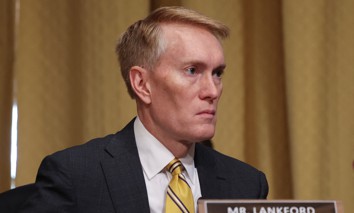
How long will OPM keep paying for feds’ health insurance during the shutdown, a senator asks
Sen. James Lankford, R-Okla., requested details on how the federal HR agency’s plans to fund its health insurance trust funds with federal employees still not being paid during the shutdown.


When 500 companies don't equal diversification: A TSP reality check
Investing your TSP funds in the top 500 U.S. companies may seem safe and straightforward, but that depends on how those investments are weighted.


How part-time work affects your FERS pension
Federal employees considering a shift to part-time hours have several factors to consider when it comes to their retirement benefits.


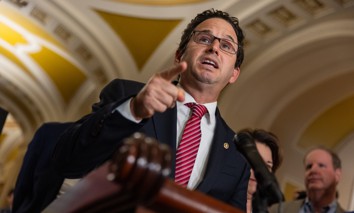
Reintroduced bill would shield federal employees from shutdown-related foreclosures and evictions
Sen. Brian Schatz, D-Hawaii, has reintroduced a bill that would let federal employees and contractors defer financial problems caused by a government shutdown, a proposal he has introduced multiple times since 2019.
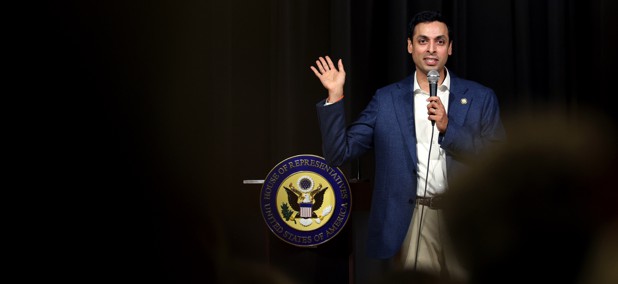
Revived bill aims to ease financial strain on federal employees during shutdown
Rep. Suhas Subramanyam, D-Va., has reintroduced legislation by former Rep. Jennifer Wexton, D-Va., that would require regulators to issue new guidance to help prevent financial hardship for federal employees and contractors caused by budget impasse.
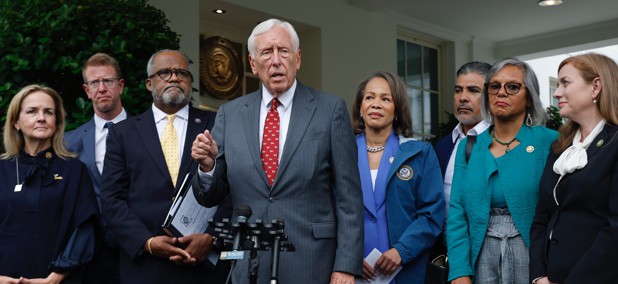
Maryland Dems float unemployment insurance for federal workers during shutdown
Congressional Democrats aim to provide benefits to federal employees forced to work during the shutdown, and other pay and benefits news you may have missed this week.
