
On Politics
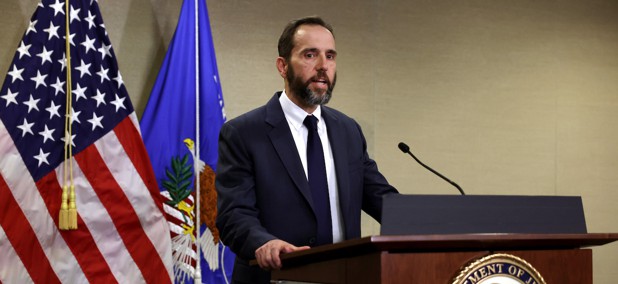
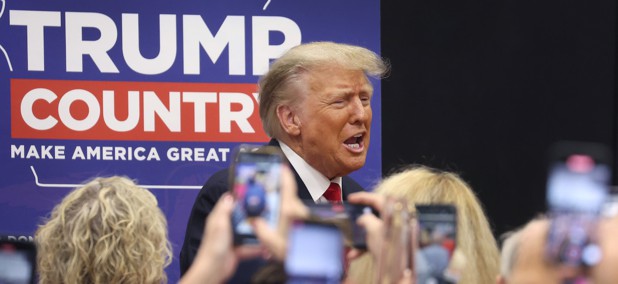
Trump Indictments Won’t Keep Him From Presidential Race, But Will Make His Reelection Bid Much Harder
Because the Constitution does not require that the president be free from indictment, conviction or prison, it follows that a person under indictment or in prison may run for the office and may even serve as president.
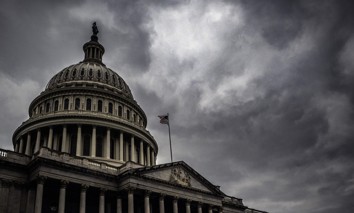
A Brief History of Debt Ceiling Crises and the Political Chaos They’ve Unleashed
There are political as well as economic risks to debt standoffs in Congress.
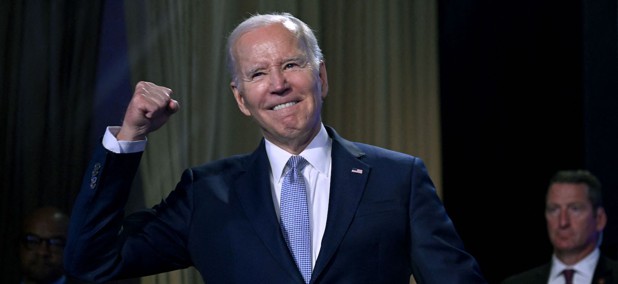
Biden Is Officially Running For Reelection. What Has He Done For Public Servants?
Courtney Bublé joins the podcast to discuss the president's announcement.
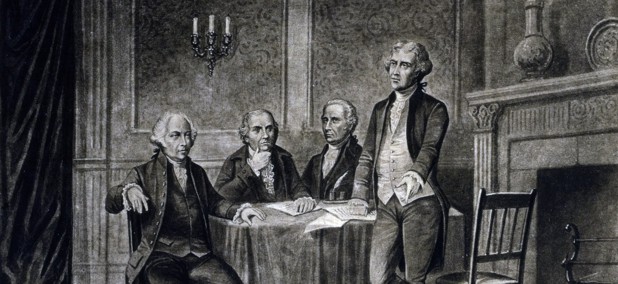
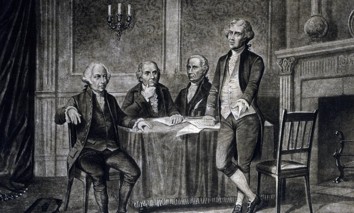
80 Is Different in 2023 Than in 1776 – but Even Back Then, a Grizzled Franklin Led Alongside a Young Hamilton
Americans have long nurtured mixed feelings about age and aged leaders. Yet during the country’s founding, a young America admired venerable old sages.


Trump’s Indictment Stretches U.S. Legal System in New Ways – a Former Prosecutor Explains 4 Key Points to Understand
The Manhattan District Attorney will need to prove several different points in its prosecution of Trump. But securing an unbiased jury will also challenge the execution of this unprecedented case.

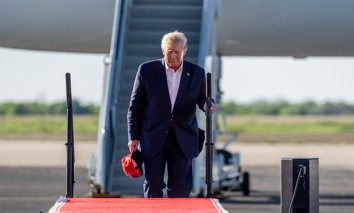
Trump Indictment Won’t Keep Him from Presidential Race, but Will Make His Reelection Bid Much Harder
With a grand jury indictment of former President and current presidential candidate Donald Trump, a legal scholar explores what the law says about the consequences of such an unprecedented act.
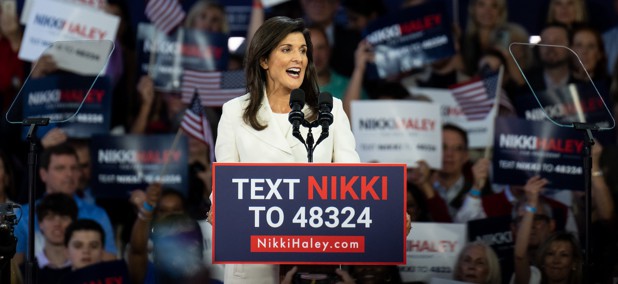
Presidential Hopefuls Are Considering These 5 Practical Factors before Launching Their 2024 Campaigns
Senators, governors, representatives and past presidents have to weigh multiple factors before declaring their 2024 run for president. Campaign financing is one of them.
Could Biden Choose A New Running Mate In 2024?
Some Democrats say he should. Black women say he'd better not.
Special Counsels, like Those Examining Biden’s and Trump’s Handling of Classified Documents, Are Intended to Be Independent – but They Aren’t Entirely
Special counsels can help administrations avoid the perception of bias, but politics is never fully out of the picture.
Fauci: Federal Service is 'Something That all Government Workers Should Be Proud Of'
As Dr. Anthony Fauci leaves government service, the podcast and Fauci himself look back on his legacy.
Teddy Roosevelt’s Failed Bull Moose Campaign May Portend the Future of the GOP and Donald Trump
If Donald Trump decides to leave the Republican Party and start his own, Teddy Roosevelt and the presidential election of 1912 offer the GOP an ominous warning. Hint: The Democrats win.
Featured eBooks


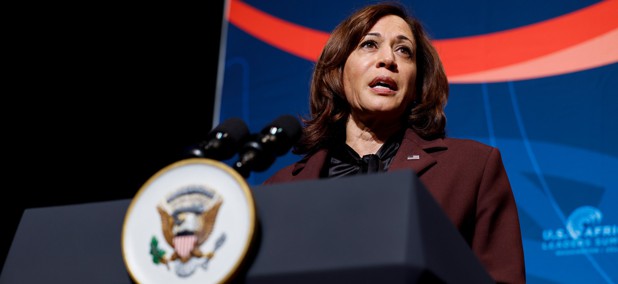
GovExec Daily: Women Bring Skills – and Face Different Challenges – in Government
Debbie Walsh, director of the Rutgers University Center for American Women and Politics, joins the podcast to discuss how gender can shape elections and governance.


How to Disagree without Fighting
Professor Dan Edelstein has five tips for how to disagree productively. Democracy depends on it, he says.
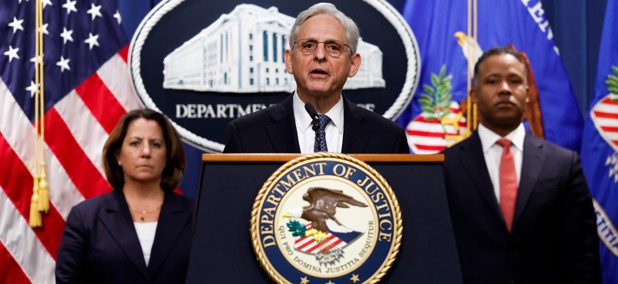
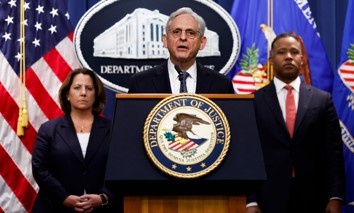
Special Counsels, like the One Leading the Department of Justice’s Investigation of Trump, Are Intended to Be Independent – but They Aren’t Entirely
Special counsels are not entirely independent, but they do still help administrations avoid the perception of bias.
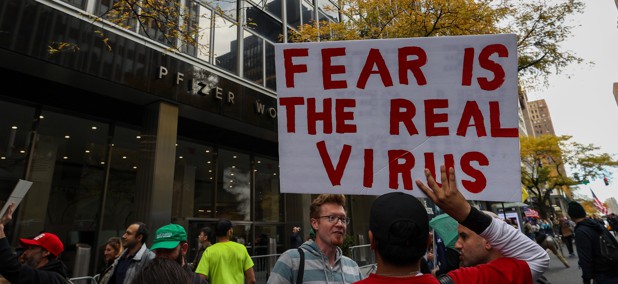
Conspiracy-Minded People Were More Likely to Hesitate on COVID Vax
New research shows that people who had a conspiracy mindset before the pandemic were more likely to believe fake info about COVID.


Voter Intimidation in 2022 Follows a Long History of Illegal, and Racist, Bullying
Any behavior reasonably calculated to dissuade a person from participating in an election is intimidation.
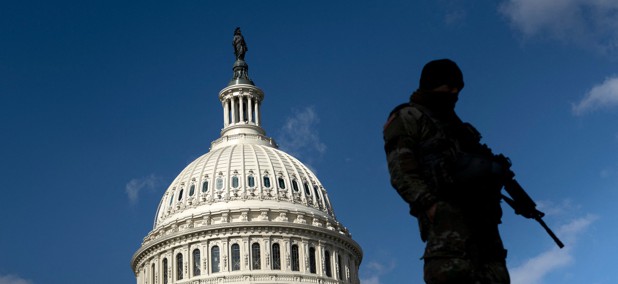
Political Violence In America Is Not Going Away Anytime Soon
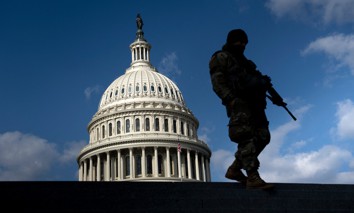
The rise in contemporary right-wing political extremism – and violence – can be traced back to events in the 1990s



How to Outsmart Election Disinformation
The 2022 midterms are here, and so too is a wave of concerning new mis- and disinformation trends. Here’s how to tell the two apart — and what you and your loved ones can do to avoid falling for them.
The Justice Department’s Dilemma Over Prosecuting Politicians Before An Election
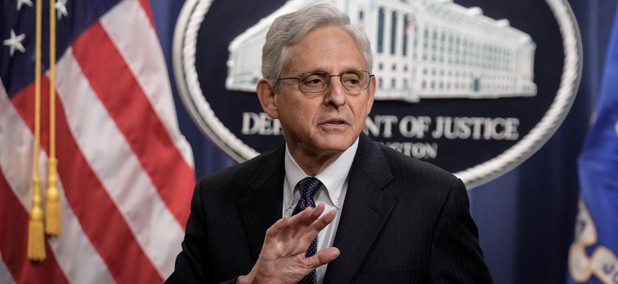
Political neutrality is open to interpretation.
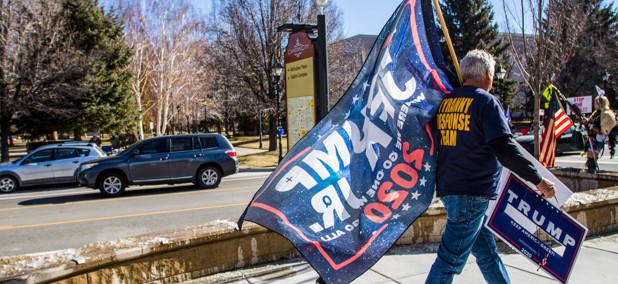
Conspiracy Theories Are Dangerous Even if Very Few People Believe Them
Worrying about how many people believe false ideas misses the real danger – that people are influenced by them whether they believe them or not.
