
Fedblog

‘Take Action Now to Defend This Great Institution,’ Yovanovitch Implores Congress
The former ambassador to Ukraine warns of irreparable harm to U.S. interests as “loyal” civil servants come under attack.
2020 Democrats Have Plans to Add New Federal Agencies
Creating Peace and Cybersecurity departments are among the proposals.
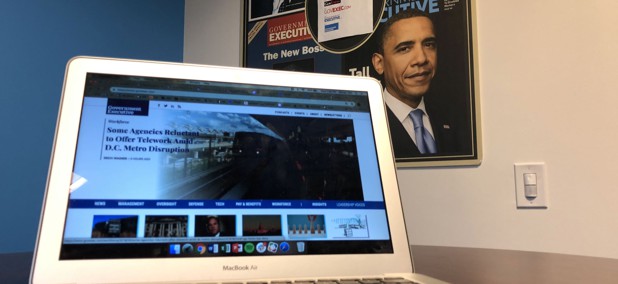

Welcome to the New Government Executive
We’ve updated our look to showcase what you value most—our award-winning news coverage—while making it easier to find the things you care about, such as ebooks, podcasts, events and popular columns.
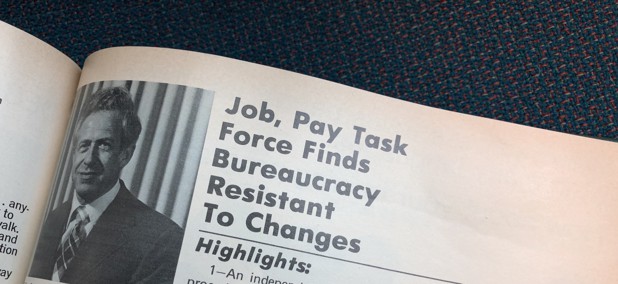
Federal Pay Reform: The More Things Change…
When it comes to commissions, studies and recommendations, everything old is new again.


The First Great Career Civil Servant
During Public Service Recognition Week, it’s worth taking note of Charles Lyman’s accomplishments.
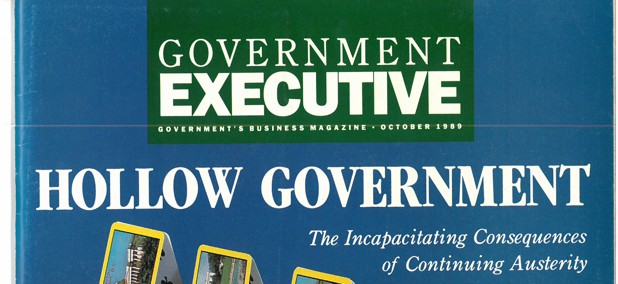
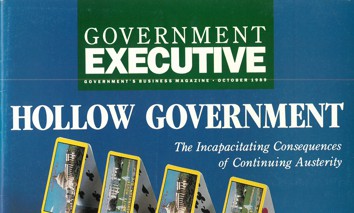
GovExec at 50: The Dawn of Hollow Government
A look back at one of our most influential stories.


Is the Foggy Bottom Metro Stop a CIA Recruiting Station?
Bedecking the upper platform of the metro stop just blocks from the State Department is an array of recruiting posters from the normally secretive CIA.
Nominations Open for New Government Leadership Awards
We'll be naming an all-star team of officials who have gone above and beyond to serve the American people.


Postal Service Partners With Forever 21 for New Fashion Line
Mailing agency will earn royalty revenue on tube tops, joggers.


Five Decades of Government Executive
March brings a milestone anniversary.
Pentagon IG Recalls Revealing Conversation With Mueller
Anecdote highlights the power of inspectors general.




Government's Grand Challenges
The National Academy of Public Administration wants to hear your ideas for improving public service.
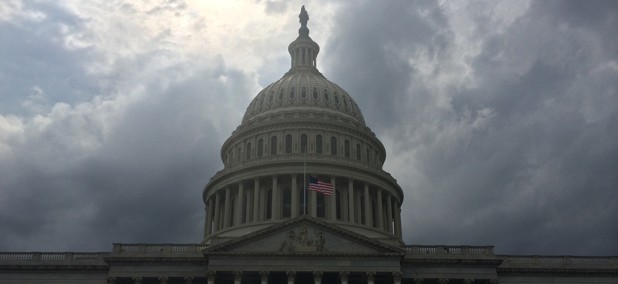
Yay! We’re Back to Traditional Dysfunctional Spending Negotiations
A guide to the stages of budget brinksmanship.
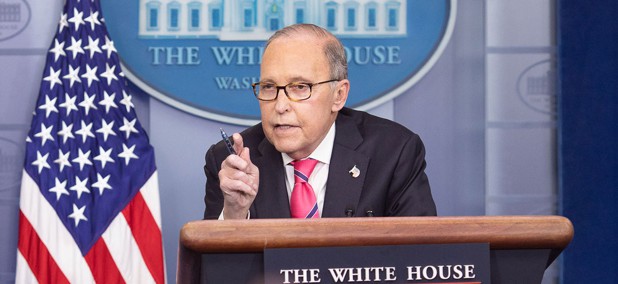
Administration Officials Downplay Feds' Financial Struggles During Shutdown
From economic advisors to the president himself, recent comments have come off as insensitive to feds.

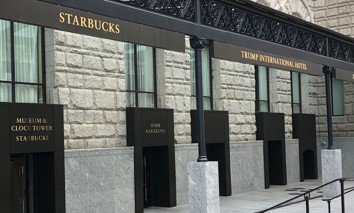
A Shutdown-Era Visit to Park Service Ops at Trump’s D.C. Hotel
Old Post Office tower remains open despite the lapse in appropriations.

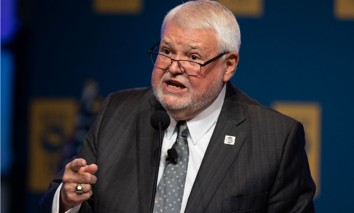
AFGE Seeks to Correct the Record after Member Union Endorses Shutdown
"Every federal employee wants to get back to work," the union said, after National Border Patrol Council officials appeared with President Trump Thursday.
Feds Share Their #ShutdownStories on Twitter
With furloughs affecting hundreds of thousands of public servants and contractors, many took to social media to vent.

Former USDA Officials Lobby to Block Agriculture’s Plans to Relocate Research Offices
The lobbyists face an uphill struggle during Congress’s busiest season.


TSA Is Looking For a Few Good Dogs
The agency wants more explosives detection canine teams to patrol transportation hubs.
'60 Minutes' Scoop on Child Separations at Border Relied on Homeland Security Whistleblowers
Immigration rights specialist left government in October to work at progressive think tank.
