
Promising Practices

Innovation from the ground up: How state and local leaders are shaping the future of performance management
COMMENTARY | At a national summit, state and local officials showcased how evidence, data and collaboration are reshaping performance management and pointing to lessons for every level of government.


How Ben Franklin’s paper money outwitted counterfeiters
The founding father’s innovative way of making money kept him one step ahead of counterfeiters.


To Have Better Disagreements, Change Your Words – Here are 4 Ways to Make Your Counterpart Feel Heard and Keep the Conversation Going
Conversational receptiveness can help keep both parties engaged.


Passport Bottleneck Is Holding up International Travel by Americans Eager to See the World as COVID-19 Eases
Precautions taken in response to COVID-19 explain some but not all of the recent long delays in getting a passport.


Mental Health Statistics Reveal a Crisis in America
County officials are asking Congress for more funding and to change a pair of Medicaid rules that will allow governments to provide more mental health services.


People Don’t Ask for More Pay when the Company Is ‘Good’
Do job seekers really forego pay to work at companies with social impact, or does that mission prompt self-censoring in negotiation?


Debunking the Dunning-Kruger Effect – the Least Skilled People Know How Much They Don’t Know, but Everyone Thinks They Are Better Than Average
The idea that the least skilled are the most unaware of their incompetency is pervasive in science and pop culture. But a new analysis of the data shows that the Dunning-Kruger effect may not be true.


How to Grow Your Social Network as You Age
As your circle of close friends shrinks, there are ways to rebuild — but not replace — the social network you had when you were younger.


Drivers More Distracted Now Than Before the Pandemic, Study Shows
Data shows that laws to prevent distracted driving have a near-immediate impact, but that the effect wears off quickly.


Public Servants Don't Feel Connected in the Workplace
Andrew Edelson joins the podcast to discuss the results of a new Eagle Hill survey.


For Better Virtual Meetings, Take Turns
Most people work just as efficiently in virtual meetings. But something is missing that could make them better: Taking turns.


Short, Sweet, Simple: Tips For Effective Government Communications
When it comes to communicating vital information to residents, a “clarity before clever” strategy works best, one expert says.
Featured eBooks


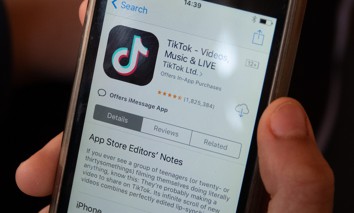
Banning TikTok Could Weaken Personal Cybersecurity
TikTok restrictions could lead to individuals engaging in risky digital behavior to circumvent mobile app bans, potentially exposing their networks and data to bad actors, an expert warns.


Miscommunication Can Actually Be Good For Problem Solving
New research digs into how some miscommunication in groups solving problems can actually benefit the process.


Meet the Next Four People Headed to the Moon – How the Diverse Crew of Artemis II Shows NASA's Plan for the Future of Space Exploration
The Artemis II mission is scheduled for launch in late 2024 and is a critical step towards NASA’s goals of establishing a permanent human presence on and near the Moon.


Managers Repay Loyal Workers With Unpaid Labor
"Companies want loyal workers... But it seems like managers are apt to target them for exploitative practices."
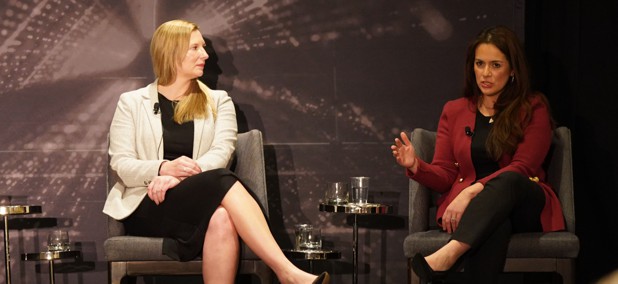
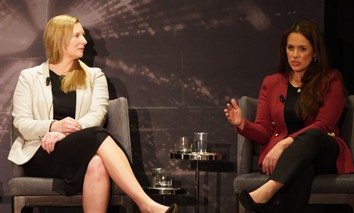
3 Customer Experience Tips for Feds from Feds
Two professional customer experience experts offered advice for other practitioners across the federal ranks this month.


Empathy Can Be Part of a Leader's Toolkit
Nicole Price joins the podcast to discuss using empathy to shape an organization.




5 Tips for Women to Negotiate a Higher Salary
A negotiation expert offers practical tips for getting the salary or promotion you want.


Is ‘Springing Forward’ Bad For Your Health?
An expert explains why it's so hard to adjust to daylight saving time and offers tips for springing forward.


2 Factors Make Shifts To Remote Work Successful
Companies that have strategic and effective HR and IT departments may have more success when shifting employees to remote work.
