-
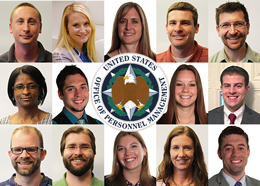
Ayers team, OPM
Rebecca Ayers led the OPM team to develop the first software-as-a-service governmentwide performance management system—USA Performance. Agencies currently scan millions of pages of performance plans to upload into electronic personnel files. OPM estimates USAP can save a single agency hundreds of thousands to millions of dollars by automating the traditional paper process.
-
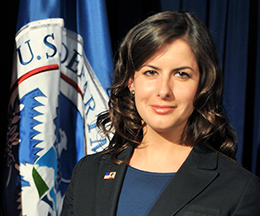
Camp team, FEMA
FEMA ICPD used social media tools to implement and gain participants for America's PrepareAthon!, FEMA's newest and largest action-based, grassroots disaster-preparedness campaign. More than 5 million participants nationwide signed up for the event—five times the original goal. A Twitter campaign—#PrepareAthon—has also dominated the online preparedness conversation.
-

Chaudhry team, USDA
USFS frequently posts PDF versions of maps online; however, the static nature of PDFs don’t allow the agency to update the maps efficiently. The Region 6 GIS team used cloud-based, server-centric technologies to deliver information in an interactive way. The project provided decision makers access to information, regardless of their device or location, in real-time to make informed decisions.
-
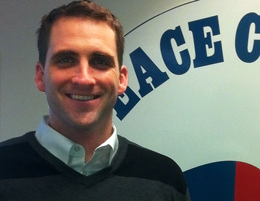
Patrick Choquette, Peace Corps
Patrick Choquette at the Peace Corps is committed to using technology to shake up the 53-year-old volunteer organization. In 2012, Choquette pioneered the use of hackathons and crowdsourcing to come up with solutions to Peace Corps-specific problems, such as mobile translation services.
-
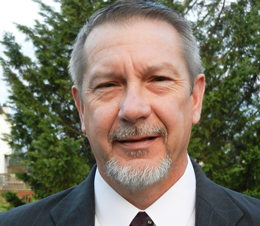
Daniel Clemons, ODNI
Daniel Clemons at IARPA is responsible for making sure the research pipeline to the intelligence community keeps flowing with new, innovative ideas. The IDEAS project eliminated an antiquated, manual process for reviewing research proposals, replacing it with a secure, user-friendly software platform for tracking submissions.
-
Heath team, Alcohol & Tobacco Tax & Trade Bureau
With 153,000 alcoholic beverage label submissions annually, TTB’s Advertising, Labeling and Formulation Division had to streamline the process to allow alcohol beverage industry members to achieve mandatory label approval. ALFD expanded the use of its online label submissions system. The system allows for labeling status monitoring and industry members can also submit and check the status of submissions 24/7.
-

Kurtas team, SEC
Under Erozan Kurtas’ leadership, SEC's NEAT Development Team created a new analytical tool dramatically enhancing the exam team’s ability to analyze a firm’s trading data and to identify signs of illegal conduct, including insider trading, front running and a host of other violations. In a matter of minutes, an examiner can now run more than 40 standard reports.
-

Christina Lachance, OPA
Christina Lachance transformed OPA’s Title X (family planning) siloed reporting system to a modern solution that will be able to receive standards-based summaries of health encounters directly from EHR systems used in more than 4,000 clinical settings.
-
Martha Lambie, SSA
SSA's Martha Lambie came up with an innovative solution to a staffing crunch at the agency that had depleted institutional knowledge: developing a virtual help, or vHelp model, to share expert knowledge with frontline staff at 1,300 field offices across the country.
-
LaPlant team, GPO
Lisa LaPlant at GPO led a team of experts working to make thousands of pages of information about the federal government—including, most recently, summaries of every bill introduced in the House of Representatives—available for bulk download and easy use by citizens developers.
-

William Marken, USDA
USDA's William Marken took the lead in developing a Web-based geospatial tool called GeoObserver to remotely monitor millions of acres of land for compliance with the agency’s conservation programs. IT specialist Michele Simmons helped keep deployment of the system on schedule using agile software development methods.
-

John Picanso, USDA APHIS
USDA's John Picanso led an effort to modernize the agency’s nationwide animal disease surveillance database that involved migrating some 2 billion records from an aging legacy system to a Web-based, off-the-shelf solution—and finished a full year ahead of schedule.
-

Sasala team, U.S. Army
U.S. Army's Thomas Sasala spearheaded a Pentagon pilot to deploy a multitenant virtual desktop solution for 200 employees of the Information Technology Agency and Joint Staff in less than nine months. The pilot is now heading into full production for the entire Army.
-
Smith team, BLS
BLS' Peter Smith’s team created and posted more than 200 hurricane flood-zone maps and tables of employment, wages and establishment counts for Gulf and Atlantic Coast counties. This innovation will help citizens, media and emergency planning agencies better assess economic impacts of disasters, before or afterward.
-

Streufert team, DHS
Under the watch of John Streufert at DHS, the next frontier of dot-gov security went from novel idea to concrete reality. Streufert’s team navigated the crucial beginning stages of the complex, $6 billion continuous diagnostics and mitigation program.
-
Sullens team, DOJ
A DOJ team led by Jolene Lauria Sullens reduced the department’s stable of seven siloed systems to two, one of which was a new enterprisewide system. The new system standardized nearly 30 business process across the agency—and all the while, the agency maintained a clean audit opinion.
-

Arpad Szurgyi, Joint Improvised Explosive Device Defeat Organization
Faced with an evolving mission, a 60 percent workforce reduction and a shrinking budget, Dr. Arpad Szurgyi championed programs and promoted tools JIEDDO-wide to foster an agile, resilient and resourceful workforce to protect the warfighter and support the critical counter-IED mission.
-

Walsh team, State
For centuries, diplomats have engaged with their contacts and counterparts using paper invitations and business cards. State Department's Andy Walsh and London’s Technology Innovation Office updated the process by integrating QR codes on invitations with social media and a searchable Web-based contact management database.
-

Sonjae Whang, US Navy
Department of Navy's Sonjae Whang led the development and integration of intelligent heating, ventilation and cooling systems on Navy tankers and cargo ships. The intelligent HVAC system allows ships to modulate the flow of on-board heating and cooling systems instead of running them full blast nonstop.
-
Wiedlea team, Defense Threat Reduction Agency
With scarce funding and time, DTRA's Andrew Wiedlea and his team created the Constellation prototype, an unclassified system that aims to enhance situational awareness of threats from weapons of mass destruction and U.S. and international counter-WMD activities.
-
Ayers team, OPM
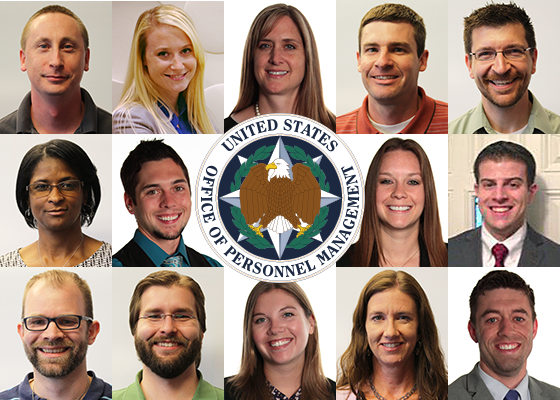
Rebecca Ayers (top center), manager of performance management solutions at the Office of Personnel Management, led the OPM team—Megan Arens, Daniel Berryhill, Michel Buttersworth, Cindy Cheek, Amanda Custer, Valerie Duhart, Ken Fortuna, Kevin Galliers, Ryan Hendricks, Tony John, Lee Knowles, Kate McGrath and Andy Solomon—to develop the first software-as-a-service governmentwide performance management system—USA Performance—in under 16 months. The project team of HR specialists and programmers used the agile scrum software development approach along with frequent usability testing to ensure the cloud-based system met governmentwide and agency requirements. Automating the performance management process will transform how the federal government manages performance. Agencies currently scan millions of pages of performance plans to upload into electronic personnel files. OPM estimates USAP can save a single agency hundreds of thousands to millions of dollars through streamlining and automating the traditional paper process.
-
Camp team, FEMA
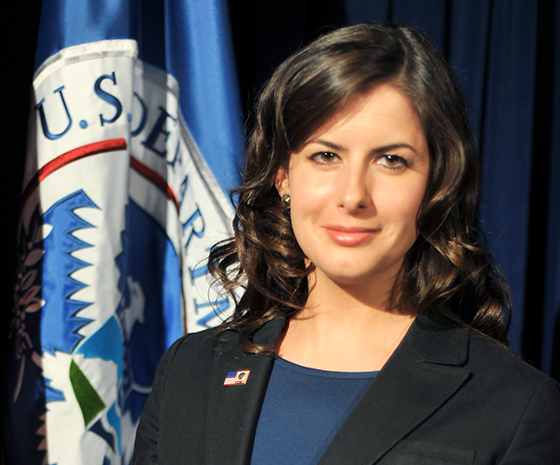
The FEMA/Individual and Community Preparedness Division at the Federal Emergency Management Agency used social media tools to implement and gain participants for America's PrepareAthon!, FEMA's newest and largest action-based, grassroots disaster-preparedness campaign. This effort included working with all 10 FEMA regions to plan and execute preparedness events throughout the country. As a result, the original goal of 1 million participants by April 30, 2014 was far exceeded, with more than 5 million participants nationwide. Additionally, in just four months the @prepareathon handle gained nearly 700 new followers to represent a total of over 1,700 followers to date reaching more than 127,000 different handles. Since April 30, #PrepareAthon has been the most used hashtag in preparedness conversations occurring on Twitter, thanks to the efforts of the team—Jenelle Cardone, Allison Carlock, Naffisatu Conteh, Samuel Hultzman, Rob Jansen, Nicole LaRosa, Karen Marsh, Regina Moran, Dante Randazzo, Kathryn Roberts, Jackie Snelling , Natacha Vacroux, Arthur vonLehe, Lynda Williams and Stephanie Williams. Director Gwen Camp is pictured here.
-
Chaudhry team, USDA

The U.S. Forest Service frequently posts PDF versions of maps online; however, the static nature of PDFs don’t allow the agency to update the maps efficiently. The Region 6 GIS team—Leo Chan, Byron Folwell, Laurie Campbell, Ed Hall, Kirsten Tighe, Harris Robin and Jesse Nett, led by program manager Zahid Chaudhry (pictured)—used cloud-based, server-centric technologies to deliver information in an interactive way. The project provided decision makers access to information, regardless of their device or location, in real-time to make informed decisions. GIS also enabled the region to provide public access to information on various issues going on in the region, making the workflow transparent. Editing maps with GIS app can be done in half the time it takes to edit a PDF, which has improved data sharing, communication and collaboration.
-
Patrick Choquette, Peace Corps
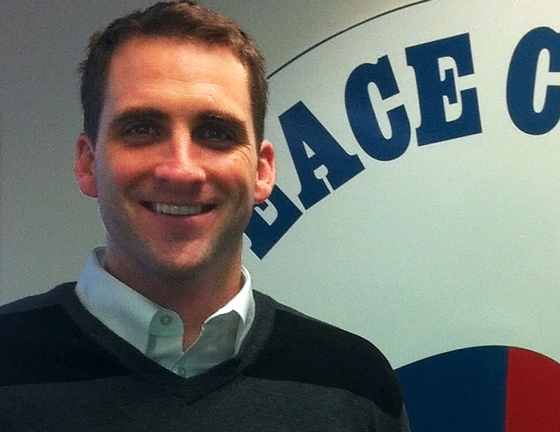
Patrick Choquette, director of innovation at the Peace Corps, is committed to using technology to shake up the 53-year-old volunteer organization. In 2012, Choquette pioneered the use of hack-a-thons and crowdsourcing to come up with solutions to Peace Corps-specific problems, such as mobile translation services. One of the outcomes from that effort was “Bantu Babel,” an African language translation Android app. Choquette, whom colleagues liken to a one-person directorate, also worked with Peace Corps Alumni Association to put tablets donated by Google in the hands of volunteers before they head overseas, which has aided volunteers in collecting field data and carrying training materials and other resources into the community.
-
Daniel Clemons, ODNI
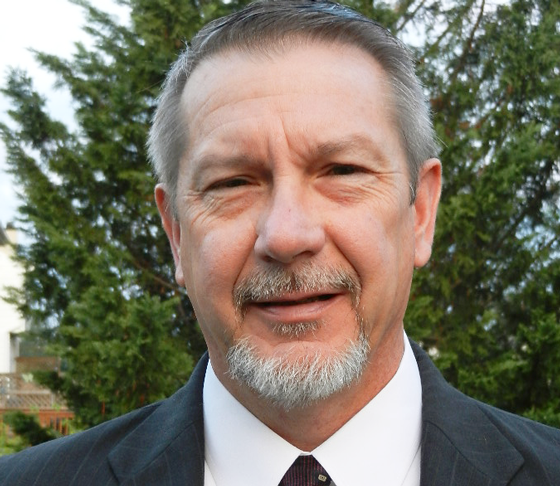
Daniel Clemons, a project manager at the Intelligence Advanced Research Projects Activity, is a true ideas man—or make that IDEAS. As the project lead for IARPA’s Distribution and Evaluation System—or IDEAS—Clemons is responsible for making sure the research pipeline to the intelligence community keeps flowing with new, innovative ideas. The IDEAS project eliminated an antiquated, manual process for reviewing research proposals, replacing it with a secure, user-friendly software platform for tracking submissions. So far, the system has handled hundreds of research proposals, taking what was once a tedious, labor-intensive process and transforming it into a dynamic and scalable solution.
-
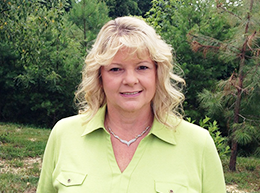
Heath team, Alcohol & Tobacco Tax & Trade Bureau
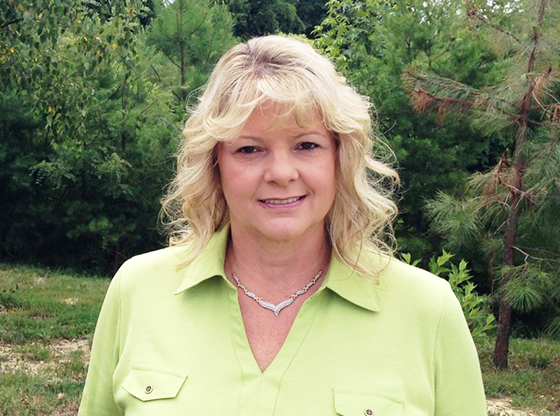
With 153,000 alcoholic beverage label submissions annually, the Alcohol and Tobacco Tax and Trade Bureau's Advertising, Labeling and Formulation Division—Demaris Brown, Nicole Burckhardt, Christian Fay, Geina Fields, Kristy Foley, Shirley Gumbs, Pamela Jamieson, Alexis Jewell, Sarah Johnson, Gracie Joy, Teresa Knapp, Paula Landsberger, Battle Martin, Tracy McNeill, Shelia Miller, Helene Rice, Joyce Rose, Donna Smith and Patty Zasadny, led by program manager Marsha Heath (pictured)—had to streamline the process to allow alcohol beverage industry members to achieve mandatory label approval. ALFD expanded the use of its online label submissions system, developed a list of changes industry members could make without resubmitting and provided guidance to industry. The 29 allowable changes yielded an 8 percent reduction in the number of alcohol beverage labels submitted. TTB also expanded the capabilities of its electronic label submission system. System enhancements improved the quality of data and made the system easier to navigate. The system allows for labeling status monitoring, notification of approval, and requests for corrections. Industry members can also submit and check the status of submissions 24/7. More than 92 percent of all labels are now submitted electronically.
-
Kurtas team, SEC

Under the leadership of Erozan Kurtas (center), assistant director of the Quantitative Analytics Unit at the Securities and Exchange Commission, the NEAT Development Team—Richard Liao, Nitish Bahadur (not pictured), and William Martino—created a new analytical tool using free software at zero cost to taxpayers. NEAT dramatically enhances the exam team’s ability to systematically analyze a firm’s trading data and to identify signs of illegal conduct, including insider trading, front running, window dressing, improper allocations and Rule 105 violations. Examiners can now regularly evaluate trading data over a period of several years, rather than weeks or months. NEAT also increases the speed and scope of reviews: In a matter of minutes, an examiner can run more than 40 standard reports.
-
Christina Lachance, Office of Population Affairs

Christina Lachance, public health adviser at the Office of Population Affairs, transformed OPA’s Title X (family planning) siloed reporting system to a modern solution that will be able to receive standards-based summaries of health encounters directly from EHR systems used in more than 4,000 clinical settings. She engaged public and private experts in the health IT industry and clinical quality improvement to build the infrastructure for interoperable data exchange of reproductive and sexual health service data for quality improvement efforts in community-based settings. When completed, the system will affect not just the Title X network, but family planning as an entire field. Data collected will be cleaner and more accurate, presenting a better picture of the state of the network and reproductive and sexual health outcomes among the population served.
-
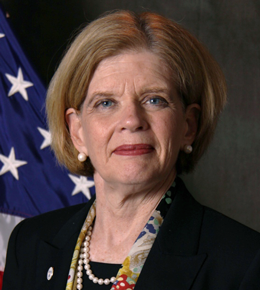
Martha Lambie, SSA
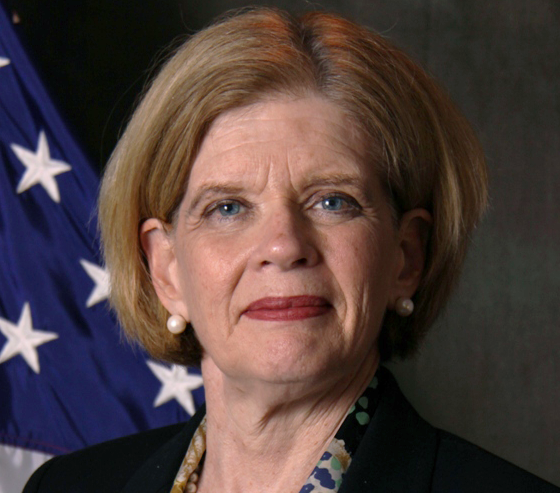
Martha Lambie, assistant deputy commissioner for operations at the Social Security Administration, came up with an innovative solution to a staffing crunch at the agency that had depleted institutional knowledge: developing a virtual help, or vHelp model, to share expert knowledge with frontline staff at 1,300 field offices across the country. SSA first piloted the Web-based virtual help desk in March 12 and rolled it out nationwide September 2013. Since then, the agency is averaging a total of about 10,000 questions submitted each quarter, and 98 percent of queries are resolved in a timely manner.
-
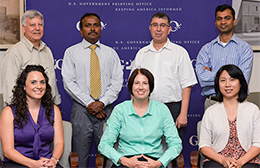
LaPlant team, GPO
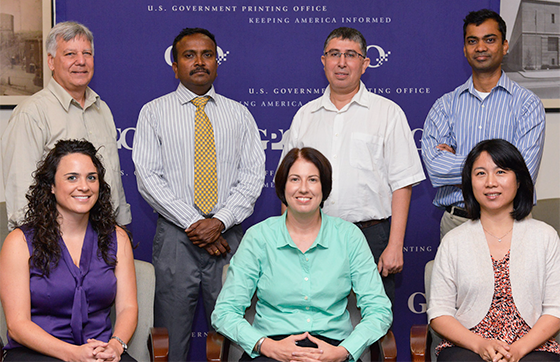
Lisa LaPlant (bottom center), program manager at the Government Printing Office, led a team of experts—Amanda Colvin, Karun Ganaphathy, Anil Mamidi, Lotfi Mehai, Jay Silverman, and Jing Xie—working to make thousands of pages of information about the federal government—including the full contents of the Federal Register, the public papers of the president of the United States and, most recently, summaries of every bill introduced in the House of Representatives—available for bulk download and easy use by citizens developers. LaPlant and her team have extended the reach of government transparency beyond just basic access to HTML websites and notoriously difficult to search PDF documents to bulk download of pure government data available in a machine-readable format with a single click.
-
William Marken, USDA

William Marken (pictured), a cartographer and geospatial analyst with the Agriculture Department’s Natural Resources Conservation Service, took the lead in designing and developing a Web-based geospatial tool called GeoObserver to remotely monitor millions of acres of land for compliance with the agency’s conservation programs. The system’s high-resolution aerial imagery and other data have reduced the need for the agency to conduct costly, on-site visits on the more than 2.6 million acres of land that falls under the program. Team member Michele Simmons, an IT specialist with USDA’s National Geospatial Center of Excellence, also played a key role in the new system’s development, using agile software principles to make sure it deployed successfully.
-
John Picanso, USDA APHIS

John Picanso, chief information officer of the Agriculture Department’s Animal and Plant Health Inspection Service’s Veterinary Services, led an effort to modernize the agency’s nationwide animal disease surveillance database, which involved migrating some 2 billion records from an aging legacy system to a Web-based, off-the-shelf solution—and finished a full year ahead of schedule. Thanks to the work of Picanso’s team, veterinarians, epidemiologists, and federal and state government agencies across the country can now access a standardized system for reporting and monitoring disease outbreaks and trends and has given the agency a truly national view of animal disease trends.
-
Sasala team, US Army

Thomas Sasala (pictured), chief technology officer for the U.S. Army Information Technology Agency, spearheaded a Pentagon pilot to deploy a multitenant virtual desktop solution for 200 employees of the Information Technology Agency and Joint Staff in less than nine months. That’s nearly a third of the time DOD project managers might typically expect for a project of this scale. Users of the pilot draw on common physical and virtual services, but virtual desktops remain contained within logically isolated enclaves. This converged architecture allowed Sasala’s team—Sarah Nather, Jennifer Han and Rodney Cochranto—to essentially provide a fully virtualized environment out-of-the-box and quickly scale up the project. The pilot is now heading into full production for the entire Army.
-
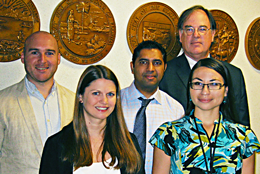
Smith team, BLS
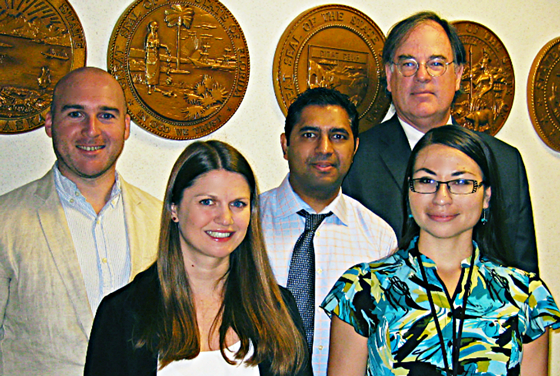
Bureau of Labor Statistics economist Peter Smith (far left) and his team—David Hiles, Sudarshan Jakhu, Monique Ortiz and Sara Stanley—created and posted more than 200 hurricane flood-zone maps and tables of employment, wages and establishment counts for Gulf and Atlantic Coast counties. They combined Quarterly Census of Employment and Wages files for 9.2 million geocoded employer reports with map-shape files maintained by the Army Corps of Engineers and state emergency management agencies. The project re-engineered the master registry database to be more dynamic while retaining important controls and auditing. This innovation will help citizens, media and emergency planning agencies better assess economic impacts of disasters, before or afterward. In addition, special microdata files with hurricane zone designations for individual business are now available for states to share with emergency agencies as needed.
-
Streufert team, DHS

Under the watch of John Streufert (pictured), director of federal network resilience at the Department of Homeland Security, the next frontier of dot-gov security went from novel idea to concrete reality. Streufert’s team—John Simms, Ron Austin, Betsy Kulick, Matt Hartman, Betsy Proch, Jim Quinn, George Moore and Derrick Williams—navigated the crucial beginning stages of the complex, $6 billion procurement to develop technical requirements, evaluate a bundle of incoming proposals and, finally, award 17 companies a spot on a blanket purchase agreement for the continuous diagnostics and mitigation program. The end result? An avenue for agencies to efficiently buy commercial solutions for continuously monitoring agency networks. The program will only grow in prominence—the Office of Management and Budget has called on agencies to fully implement a more dynamic approach to cybersecurity by 2017.
-
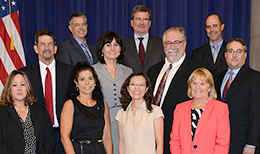
Sullens team, DOJ
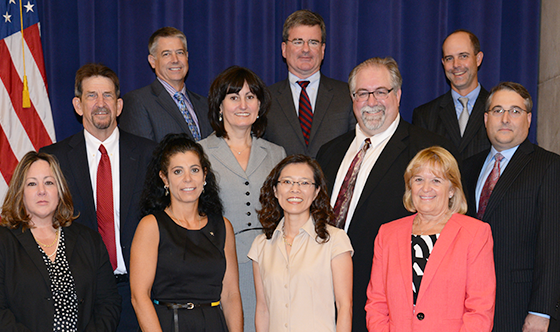
A Justice Department team—Christopher Alvarez, Marc Berlove, Michael Dec, Ed Dolan, Danny Gillette, Rich Haley, Julie Mason, Vivian Michalic, Mark Miller, Melinda Morgan, Ping Oberst, Holley O'Brien, Candace Olds and Matt Roper—led by Jolene Lauria Sullens (bottom row, second from the left), the agency’s deputy assistant attorney general and controller, reduced the department’s stable of seven siloed systems to two, one of which was a new enterprisewide system. The new system standardized nearly 30 business process across the agency—and all the while, the agency maintained a clean audit opinion.
-
Arpad Szurgyi, Joint Improvised Explosive Device Defeat Organization

Faced with an evolving mission, a 60 percent workforce reduction and a shrinking budget, Dr. Arpad Szurgyi, director of personnel at the Joint Improvised Explosive Device Defeat Organization, championed programs and promoted tools JIEDDO-wide to foster an agile, resilient and resourceful workforce to protect the warfighter and support the critical counter-IED mission. Szurgyi created a workforce optimization and sustainment structure focused on predictive capabilities to meet reduction requirements, automated processes to maintain the readiness level with fewer resources, and established targeted recruiting to hire the best candidates to support the mission. Using his recruiting tools and targeted approach, the organization has slashed the hiring time for high-demand positions and now uses a customized, JIEDDO-specific Position Description Library.
-
Walsh team, State

For centuries, diplomats have engaged with their contacts and counterparts to reach consensus on important foreign affairs topics. Invitations to events are formal, handwritten and static, and the knowledge management of a diplomat’s contacts is piecemeal and stovepiped. The structure of this process makes it difficult to analyze whether the events or the people invited serve the purpose of engagement and diplomacy. Technology Innovation Officer Andy Walsh (pictured) and London’s Technology Innovation Office—Andy Conway, Sam Glover, Mariam Imam, Pinar Kerey, Aaron Lassman and Carlos Mora Mora—solved that challenge by integrating QR codes on invitations with social media and a searchable Web-based contact management database. This convergence now allows U.S. diplomats in London to manage the invitation and arrivals of event guests, gather metrics and make better decisions about foreign affairs engagement.
-
Sonjae Whang, US Navy

Sonjae Whang, the principal program manager for the Department of the Navy' Military Sealift Command, led the development and integration of intelligent heating, ventilation and cooling systems on Navy tankers and cargo ships. Similar in idea to smart meters in people’s homes, though dwarfing them in sheer scale, the intelligent HVAC system allows ships to modulate the flow of on-board heating and cooling systems instead of running them full blast nonstop. Over the course of about two years, the idea went from initial testing to implementation and has now been installed on three dry-cargo ships. All told, the systems are on-track to save more than 40,000 barrels of fuel each year.
-
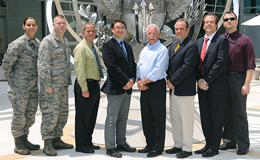
Wiedlea team, Defense Threat Reduction Agency
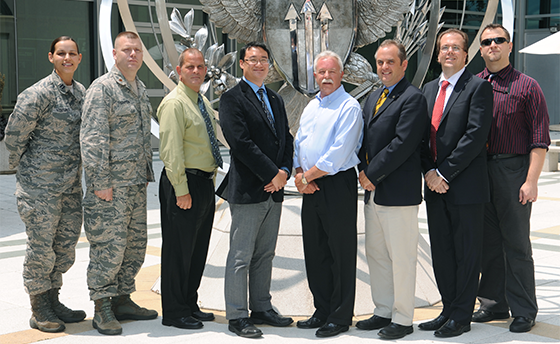
With scarce funding and time, Andrew Wiedlea (third from the right) and his team created the Constellation prototype, an unclassified system that aims to enhance situational awareness of threats from weapons of mass destruction and U.S. and international counter-WMD activities. Using a local cloud-based architecture instantiated across separate security domains, Constellation enables users to access, analyze, share and visualize information to support DoD and international partners. While other agencies may focus on a single network, the Constellation prototype is being deployed on unclassified, secret and top secret networks in parallel to support users across the U.S. government. Within the next year, the system will be granted an authority to operate across multiple security domains. The team included: Dariusz Basiaga, Lt. Col. Michael Davis, Dustin Eward, Philip Gerow, Rebecca Gurba, Jennifer Flinn, Chad Hanneman, CDR David Johnson, LCDR David Johnson, Capt. Amanda Kosturko, Tamera Kumpe, Tim Leong, Scott Levac, Richard May, Jim Miles, Maj. Ryan Morgan, David Sanders, Capt Morgan Sparks, Maj. Roy Thompson, Tracy Wentworth and Joseph Woodward.