
News
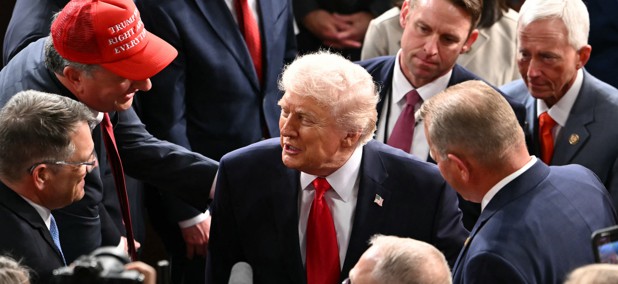

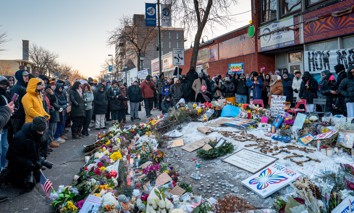
2 CBP agents identified in Alex Pretti shooting
The two federal immigration agents who fired on Minneapolis protester Alex Pretti are identified in government records as Border Patrol agent Jesus Ochoa and Customs and Border Protection officer Raymundo Gutierrez.

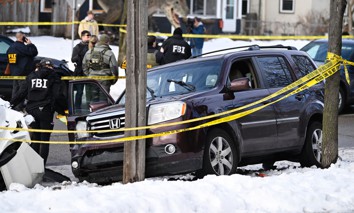
ICE officer fatally shoots driver through car window in Minneapolis
The Wednesday morning shooting sparked protests in Minneapolis following what DHS officials labeled "an act of domestic terrorism."
Updated
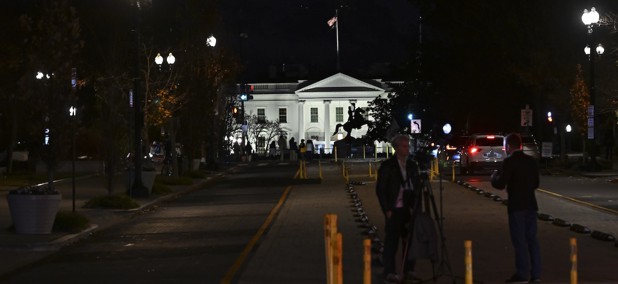
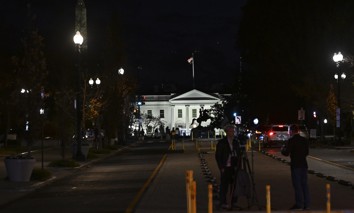
2 National Guard members from West Virginia wounded in 'targeted' shooting in D.C.
Officials say both guardsmen are in critical condition and a suspect is in custody. President Trump says the attacker will “pay a very steep price.”


Nonprofit files lawsuit to reinstate digital equity grants
The Trump administration cancelled funding under the Digital Equity Act earlier this year. A group that was in line to receive some of those funds is now suing to get them back.


Updated
Dallas ICE facility is the site of another shooting at a federal building
The FBI is investigating the shooting as an act of targeted violence.
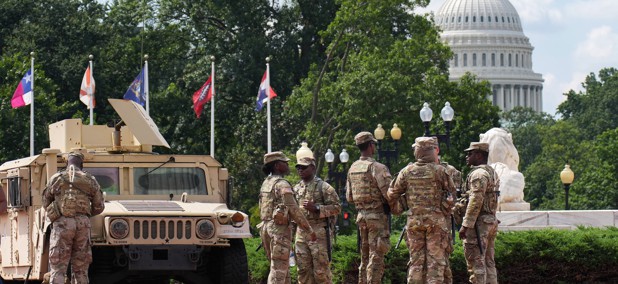

4 GOP states send nearly 1,000 National Guard to D.C. for Trump crackdown
Governors from Ohio, Mississippi, South Carolina and West Virginia agreed to send National Guardsmen to the nation's capital.


How shrinking the EPA could make wildfire smoke even more dangerous
Proposed jobs and grants cuts by the Trump administration could have detrimental impacts in air quality monitoring at the federal, state and local government levels, stakeholders say.
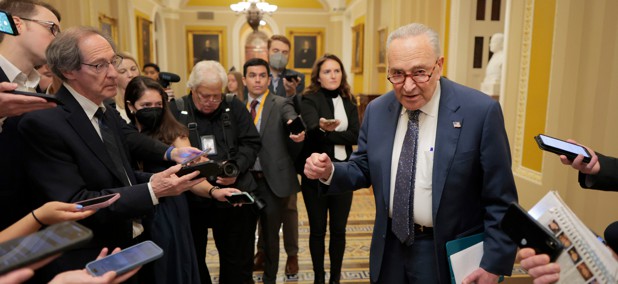
U.S. senators call for security funding boost after Minnesota assassination
Following shootings in Minnesota, senators called for more funding for the U.S. Capitol Police to provide member security.


Former USAID official, three contractors plead guilty in $550M bribery scheme
Their decades-long conspiracy involved rigged contracts, NBA tickets, mortgage payments, securities fraud and cash.
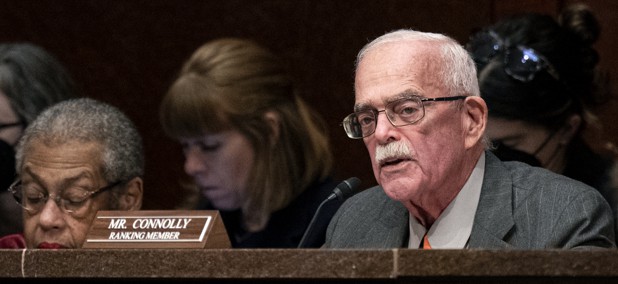
Gerry Connolly remembered for his passion and bipartisanship
The long-time representative from Northern Virginia has died at 75 following a battle with cancer. He is being remembered for his advocacy of federal workers and the contractor community as well as championing initiatives to improve how the government buys goods and services.
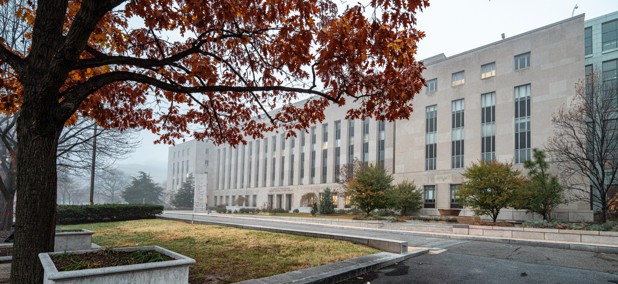
Transgender troops ban, nationwide freeze argued in U.S. appeals court
The Trump administration's ban on transgender service members faced further judicial scrutiny in front of a panel of judges Tuesday ahead of a potential appeal to the Supreme Court.
Featured eBooks



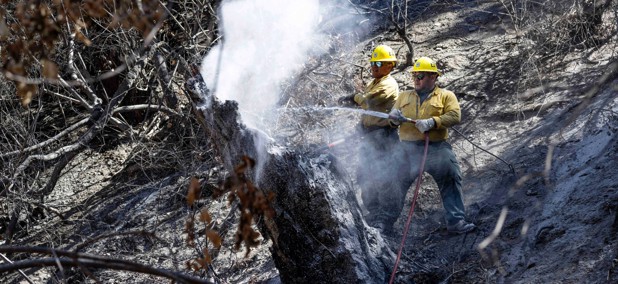
Trump said cuts wouldn’t affect public safety. Then he fired hundreds of workers who help fight wildfires.
The White House and DOGE have sought to eliminate thousands of jobs from the Forest Service. The wildland firefighting force is one of many targets within the agency.
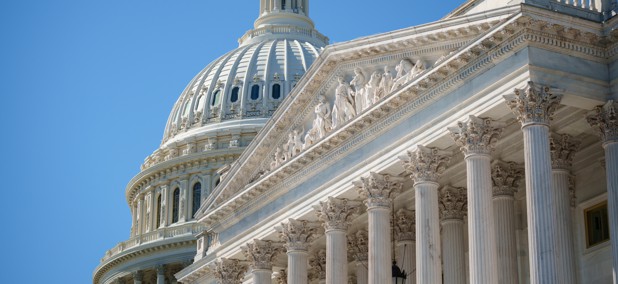
Senate GOP budget resolution sets stage for raising debt limit by as much as $5 trillion
House and Senate committees have until May 9 to submit their portions of a GOP budget reconciliation package.


Judge bars DOGE access to sensitive personal information at 3 federal agencies
OPM and the Education and Treasury departments are subject to a temporary injunction barring them from disclosing certain information to DOGE while a privacy lawsuit is ongoing.
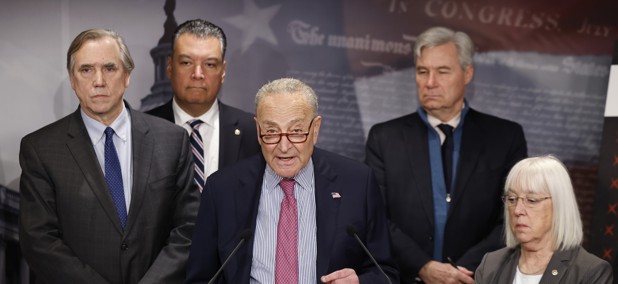
Shutdown averted: Enough Senate Democrats vote with the GOP to pass a government funding bill
Democrats were split on the vote, with some wanting to use it as leverage to fight Department of Government Efficiency cuts.
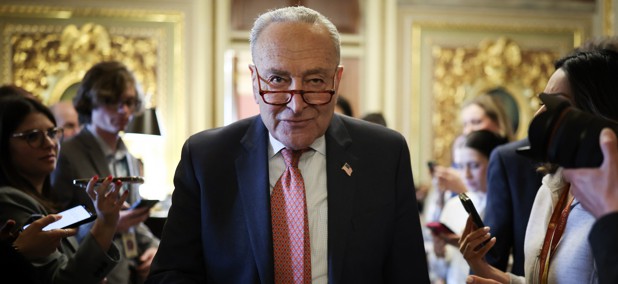
To avert a government shutdown, Senate Democratic leader says he’ll vote with the GOP
A shutdown would begin after Friday without congressional action.
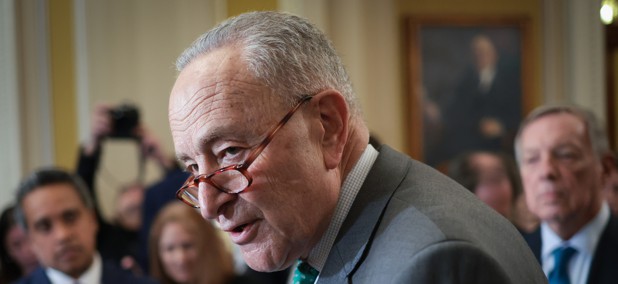
Government shutdown prospects increase after Schumer says Democrats won’t vote for GOP funding bill
Democrats have argued that the shutdown fight is an opportunity to push back on Elon Musk-backed agency spending and staff cuts.


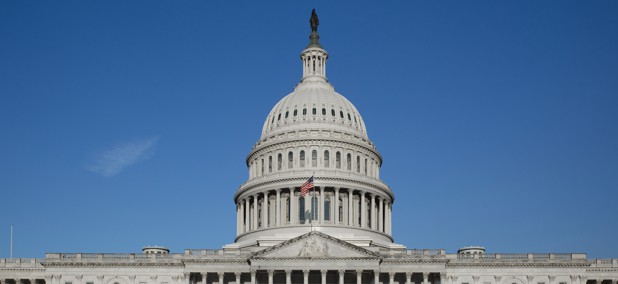
House passes GOP funding bill to avoid government shutdown
The measure now heads to the Senate where it’s uncertain if Democrats will provide the votes needed to avoid a lapse in government funding.


Partnership for Public Service lays off dozens of staff
The nonprofit works to improve civil service and positively transform government.


FBI releases new information about killing of a Border Patrol agent in Vermont
Border Patrol Union president said the agent was responding to intelligence.
